The Best High-Protein Foods for Weight Loss (Ranked by Protein Density)
A research-backed list of the highest-protein foods for weight loss, with USDA nutrition data, protein-per-calorie ratios, and practical notes for fitting them into real meals.
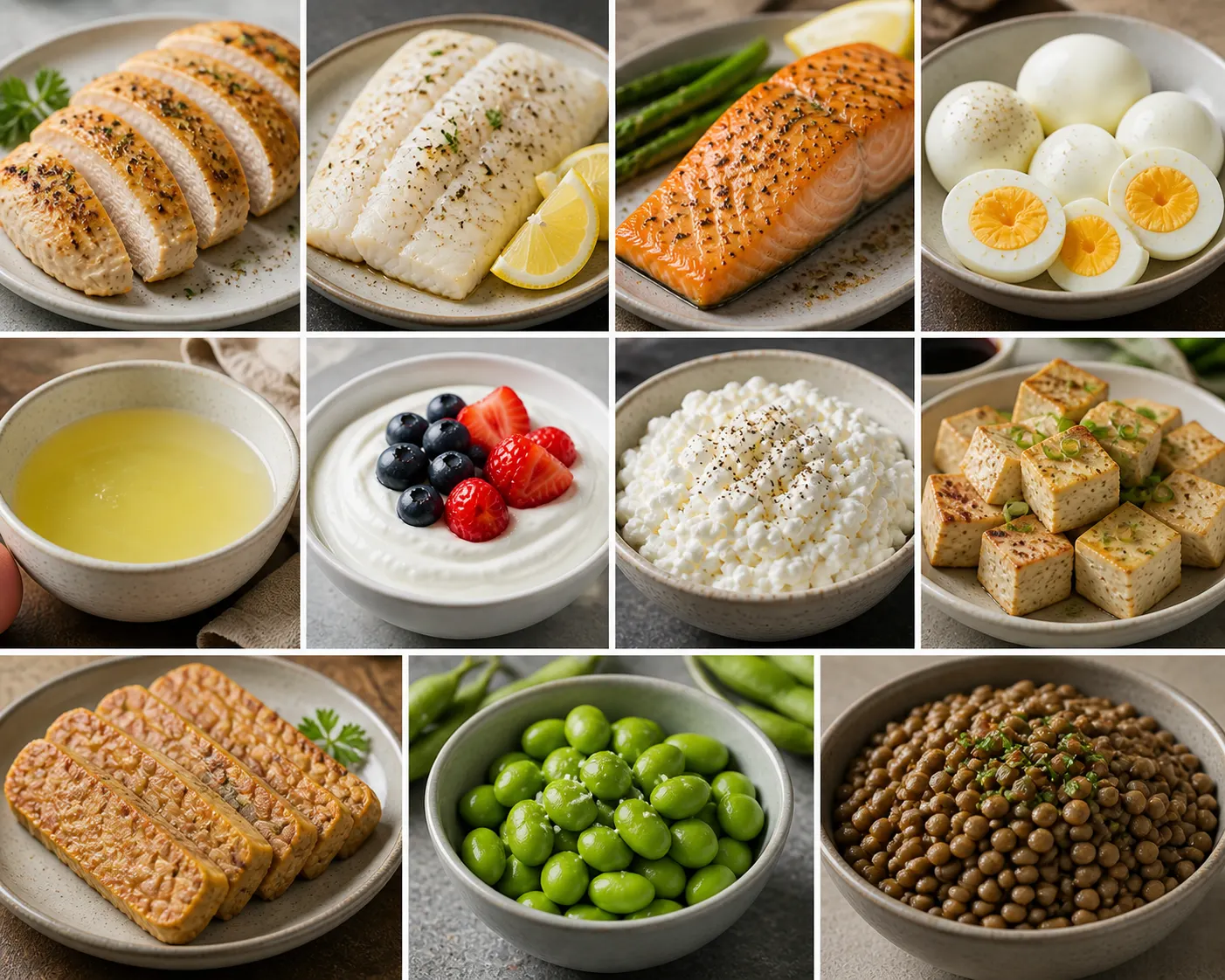
TL;DR. The most useful protein foods for weight loss are not simply the foods with the most protein. They are the foods with the best protein-per-calorie ratio, which is what determines whether you can hit your protein target without overshooting your calories. The standouts are turkey breast, white fish like cod, egg whites, chicken breast, seitan, nonfat Greek yogurt, skyr, whey protein, lean steak, tofu, tempeh, and low-fat cottage cheese. Below is the practical list, using USDA-style nutrition values where available, with notes on why each food works and how to fit it into meals without turning your diet into plain chicken and sadness.
If you are trying to lose weight, hitting your protein target is one of the highest-leverage things you can do beyond staying in a calorie deficit. Protein is unusually useful during weight loss for three reasons. First, protein is highly satiating. A 2020 meta-analysis of randomized trials found that acute protein intake reduced hunger and increased fullness compared with lower-protein conditions1. Second, protein has a higher thermic effect than carbs or fat, meaning your body uses more energy digesting and metabolizing it2. Third, adequate protein, especially alongside resistance training, helps preserve lean mass while weight comes down34.
But "high protein" is relative. Peanut butter has protein, but it also has a lot of calories. Cheese has protein, but most varieties get much of their energy from fat. For weight loss, the more useful question is: how much protein do I get for the calories this food costs? That is protein density.
A note before reading. This article is general nutrition education, not medical advice. If you have kidney disease, are pregnant or nursing, have a current or past eating disorder, or have a medical condition that changes protein needs, work with a registered dietitian or physician. More protein is not automatically better. For most active adults, a useful target range is roughly 1.6-2.2 g/kg of body weight per day, with higher ranges sometimes used in lean, resistance-trained people during hypocaloric periods34.
How to read this list
Every food entry includes:
- Protein per 100g: the standard nutrition-database comparison point
- Calories per 100g: the calorie cost of that protein
- Protein per 100 calories: the protein density score, higher is better for weight loss
- Typical serving: what a normal portion looks like in a meal
- Why it works: the specific reason the food is useful during a cut
- How to actually eat it: practical notes that matter more than another perfect spreadsheet
Nutrition numbers vary by brand, cut, cooking method, water loss, and whether a food is raw or cooked. Treat the values below as reliable approximations, not exact promises. Most whole-food nutrition values are drawn from USDA FoodData Central or common USDA legacy entries, with rounded values for readability5.
The quick protein-density ranking
| Rank | Food | Protein per 100 cal | Best use |
|---|---|---|---|
| 1 | Turkey breast | ~22g | Maximum lean protein |
| 2 | Egg whites | ~21g | Aggressive cuts, protein add-on |
| 3 | White fish | ~19-24g | Low-fat dinners |
| 4 | Whey protein | ~21g | Fast protein gap filler |
| 5 | Chicken breast | ~19g | Meal-prep staple |
| 6 | Seitan | ~18g | High-density plant protein |
| 7 | Nonfat Greek yogurt | ~17g | Breakfast, snack, dessert base |
| 8 | Skyr | ~16-18g | Higher-protein yogurt swap |
| 9 | Lean steak | ~14-17g | More satisfying meat option |
| 10 | Cottage cheese | ~12-14g | Slow-digesting snack |
The full list below is grouped by animal proteins, dairy, and plant proteins so it is easier to build meals from it.
Animal proteins
Lean animal proteins usually top the protein-density chart. They are often the easiest way to hit a weight-loss protein target because they deliver a lot of protein without much starch or added fat.
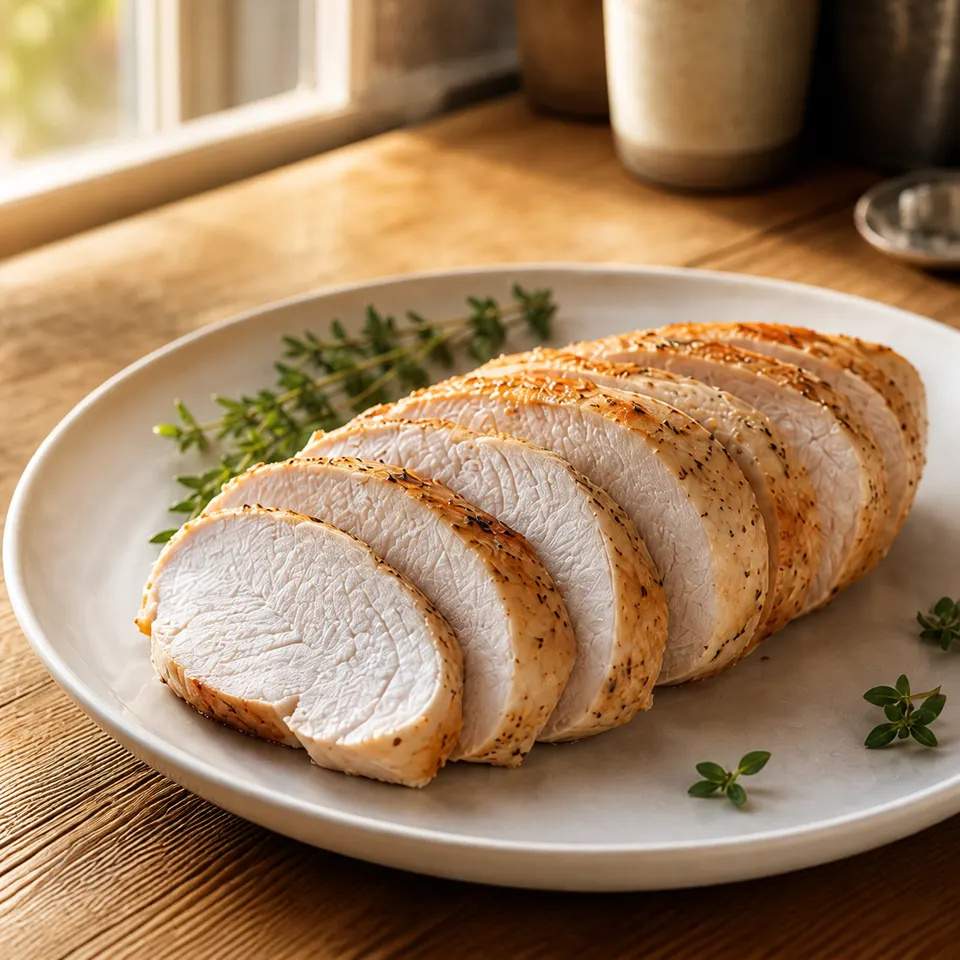
1. Turkey breast, skinless, cooked
- Protein per 100g: ~30g
- Calories per 100g: ~135
- Protein per 100 cal: ~22g
- Typical serving: 4-6 oz cooked = ~34-51g protein
Turkey breast is one of the highest protein-per-calorie foods you can build a meal around. It is leaner than chicken breast in many database entries, though the difference is small enough that taste and availability matter too.
Why it works: Very high protein density with minimal fat. Useful during cuts where you want maximum protein for minimum calorie cost.
How to actually eat it: Roast a turkey breast on the weekend and slice it for bowls, salads, wraps, and sandwiches. Ground turkey can work too, but check the label: 93/7 is meaningfully leaner than 85/15. Deli turkey is convenient, but it is usually high in sodium and often has more processing than home-cooked turkey.
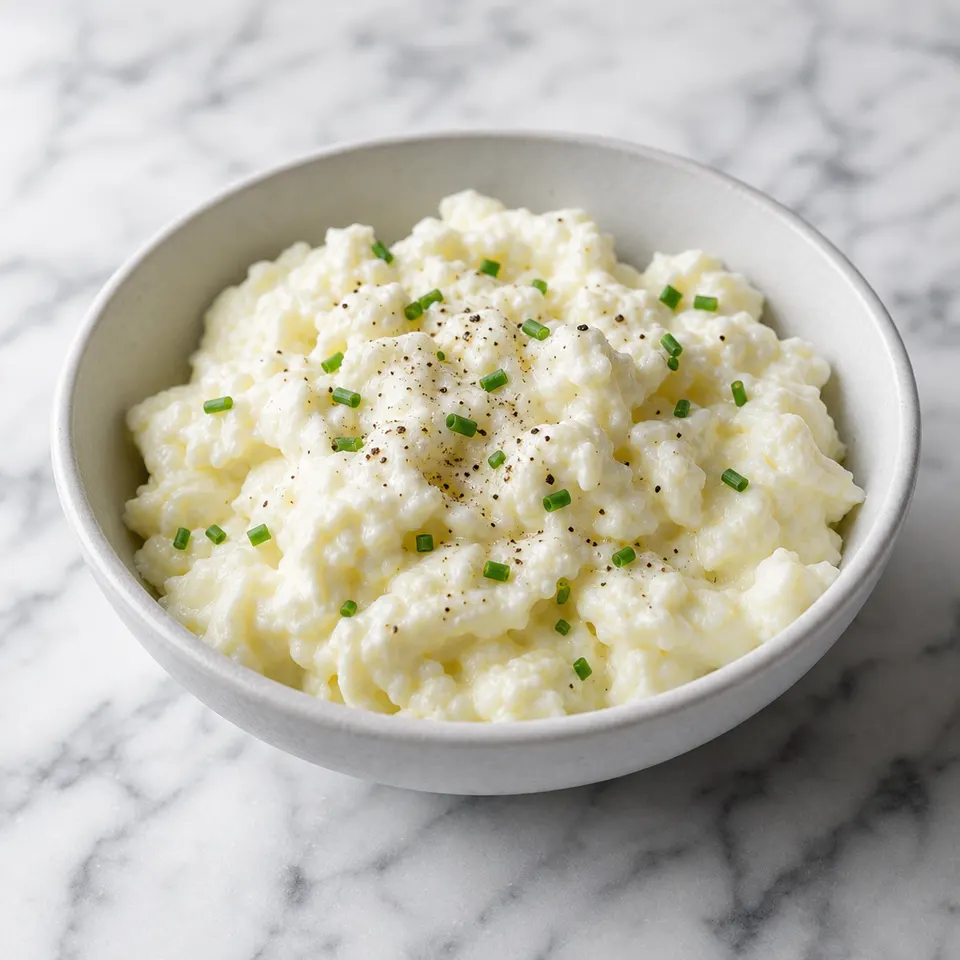
2. Egg whites
- Protein per 100g: ~11g
- Calories per 100g: ~52
- Protein per 100 cal: ~21g
- Typical serving: 4 egg whites = ~14g protein, ~70 cal
Egg whites are basically protein and water. They are not exciting by themselves, but they are extremely useful when calories are tight and your protein target is high.
Why it works: Excellent protein density with almost no fat or carbs. This makes egg whites useful during aggressive cuts or as a protein booster alongside whole eggs.
How to actually eat it: Buy liquid egg whites in cartons. Scramble 3 egg whites with 1 whole egg for flavor, fold them into oatmeal while cooking, or add them to breakfast wraps. Pure egg whites are bland, so they work best with vegetables, salsa, seasoning, or a whole egg.
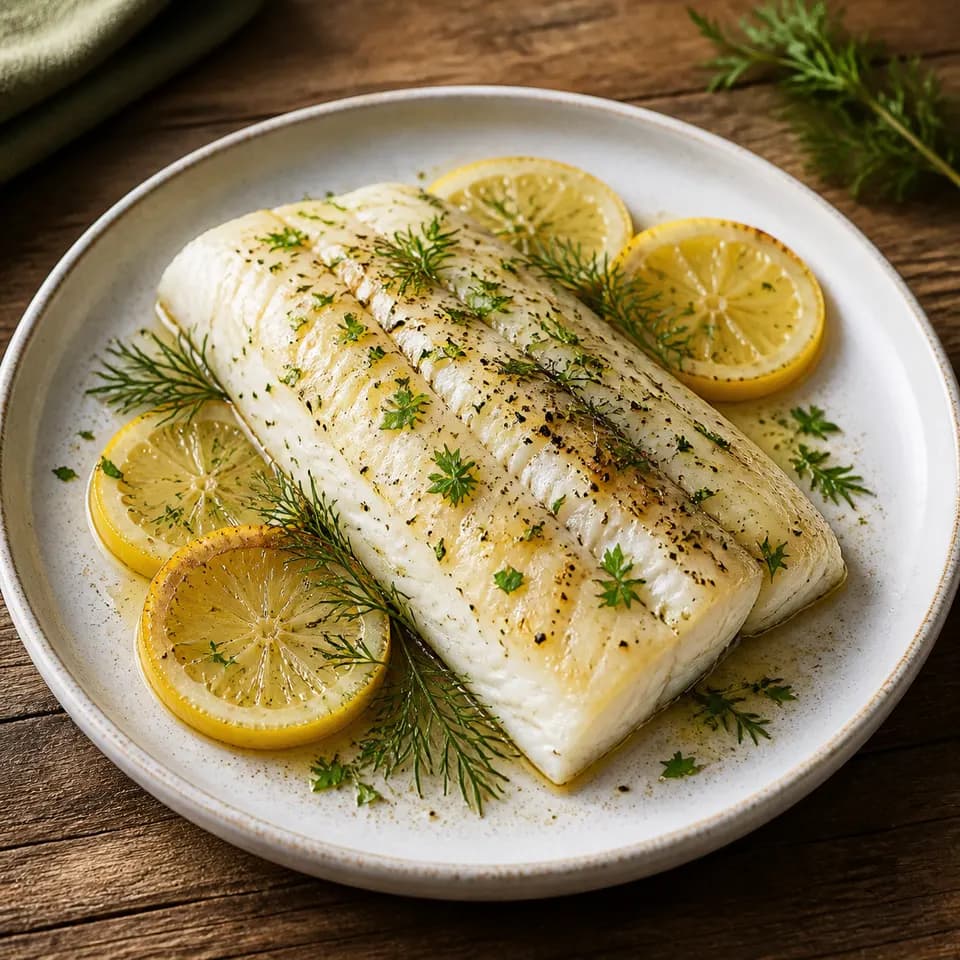
3. White fish: cod, haddock, pollock, tilapia
- Protein per 100g: ~22-25g
- Calories per 100g: ~90-130
- Protein per 100 cal: ~19-24g
- Typical serving: 5-6 oz cooked = ~32-42g protein
White fish is underrated for weight loss. Cod in particular has a very high protein density, a mild flavor, and a short cook time.
Why it works: It delivers chicken-level protein density with very little fat. That makes it useful when you want a high-protein dinner that leaves room for rice, potatoes, vegetables, or sauce.
How to actually eat it: Keep frozen fillets on hand. Thaw quickly, season aggressively, and pan-sear or bake with lemon, garlic, herbs, or a spice blend. Avoid frying if the goal is protein density, because breading and oil erase most of the calorie advantage.
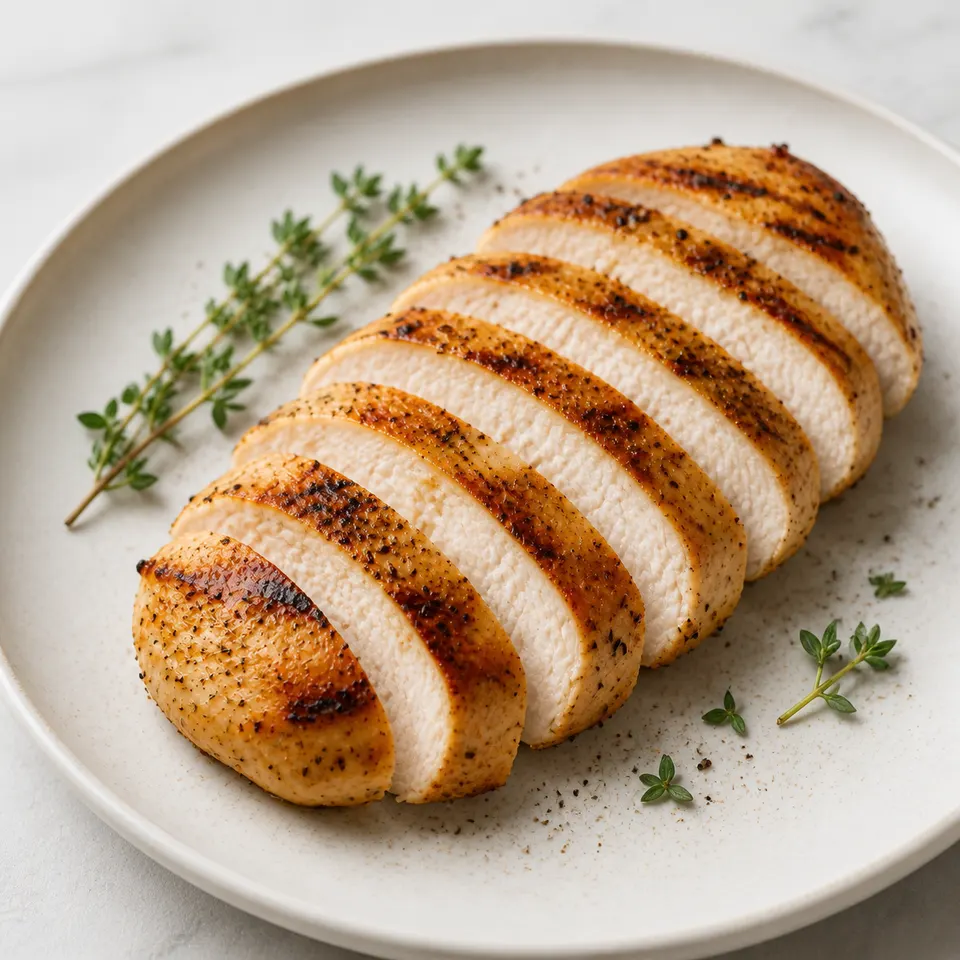
4. Chicken breast, skinless, cooked
- Protein per 100g: ~31g
- Calories per 100g: ~165
- Protein per 100 cal: ~19g
- Typical serving: 4-6 oz cooked = ~35-52g protein
Chicken breast is the default high-protein staple because it works. It is lean, affordable, widely available, and easy to season in different directions.
Why it works: A single 6 oz cooked portion can deliver around 50g of protein for fewer than 300 calories. That is a large share of a daily protein target for a modest calorie cost.
How to actually eat it: Batch cook it, but do not punish yourself with dry chicken. Pull it at 165 F, rest it, and use marinades, brines, or sauces that fit your calorie budget. Slice it for salads, shred it for tacos, or dice it for bowls and stir-fries. Chicken thighs are still useful, but they have more fat and lower protein density.
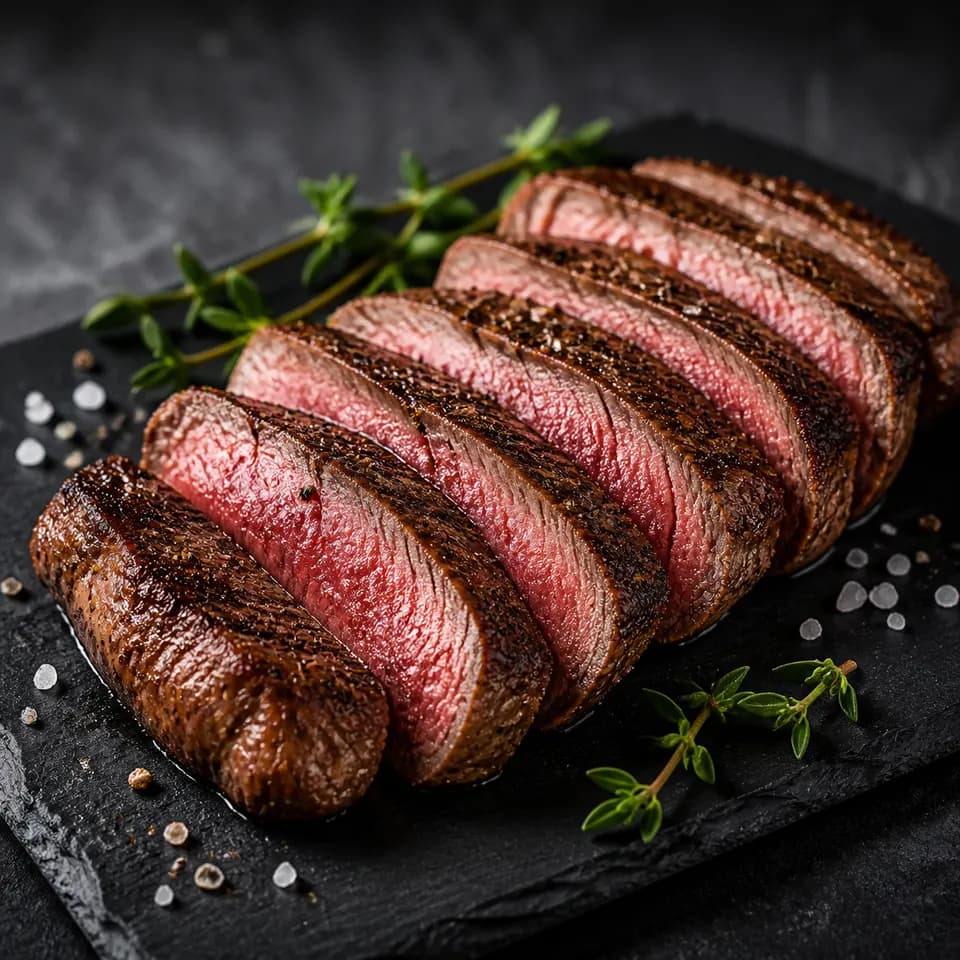
5. Lean steak: sirloin, eye of round, flank, top round
- Protein per 100g: ~28-30g
- Calories per 100g: ~165-200
- Protein per 100 cal: ~14-17g
- Typical serving: 5-6 oz cooked = ~40-50g protein
Lean steak is more protein-dense than many people assume. The cut matters. Eye of round, top round, sirloin, and flank are very different from ribeye or heavily marbled strip steak.
Why it works: High protein, satisfying texture, and useful micronutrients like iron, zinc, and B12. It can make a cut feel less repetitive than chicken every day.
How to actually eat it: Sear over high heat, rest, and slice against the grain. Use lean cuts in fajitas, salads, rice bowls, or steak-and-potato plates. Avoid breaded, butter-finished, or heavily oil-based preparations if you are trying to keep protein density high.
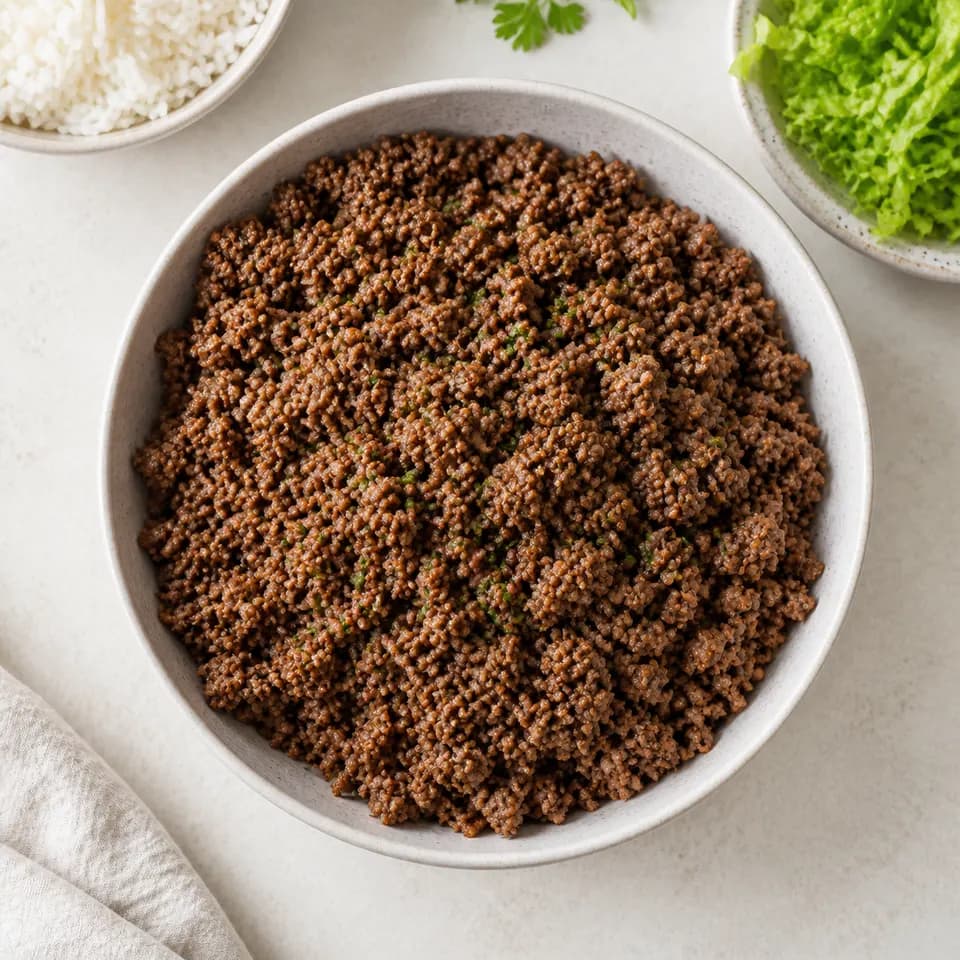
6. Lean ground beef, 90/10 or leaner
- Protein per 100g: ~26g
- Calories per 100g: ~215
- Protein per 100 cal: ~12g
- Typical serving: 4 oz cooked = ~30g protein, ~245 cal
Lean ground beef is not as protein-dense as turkey breast or white fish, but it is flavorful, filling, and easy to build into familiar meals.
Why it works: It adds variety and micronutrients while still delivering a meaningful amount of protein. Higher-fat blends can fit a diet, but they are not strategic protein sources during a cut.
How to actually eat it: Use 90/10, 93/7, or 96/4 depending on budget and preference. Brown it for chili, taco bowls, pasta sauce, stuffed peppers, or lettuce wraps. Drain excess fat if needed. An 80/20 blend has a much lower protein-per-calorie ratio.
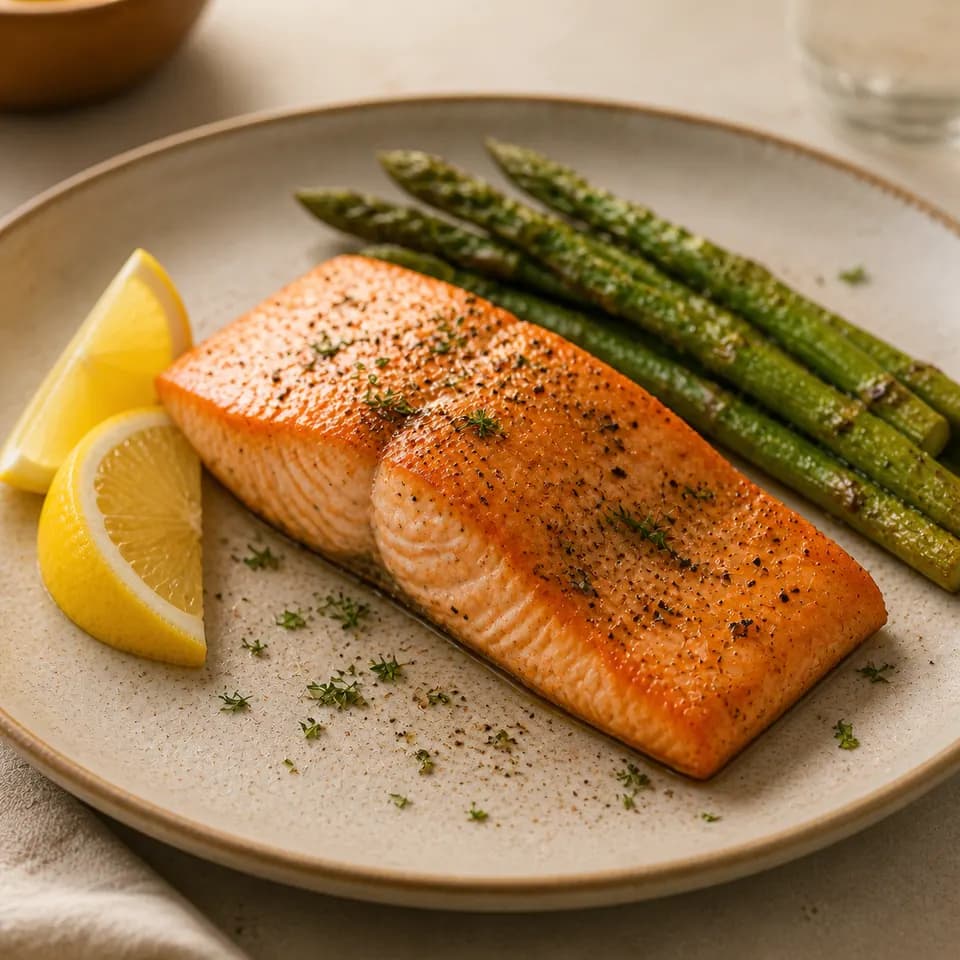
7. Salmon, cooked
- Protein per 100g: ~25g
- Calories per 100g: ~200
- Protein per 100 cal: ~12.5g
- Typical serving: 5 oz cooked = ~35g protein, ~280 cal
Salmon is less protein-dense than white fish because it contains more fat. That does not make it a bad weight-loss food. It just means it costs more calories per gram of protein.
Why it works: Salmon is satisfying, nutrient-dense, and rich in omega-3 fats. It is a good example of a food that is not the absolute leanest option but still belongs in a balanced weight-loss diet.
How to actually eat it: Bake at 400 F for 12-15 minutes or pan-sear skin-side down. Frozen salmon is often cheaper than fresh. Canned salmon is useful for patties, salads, and bowls.
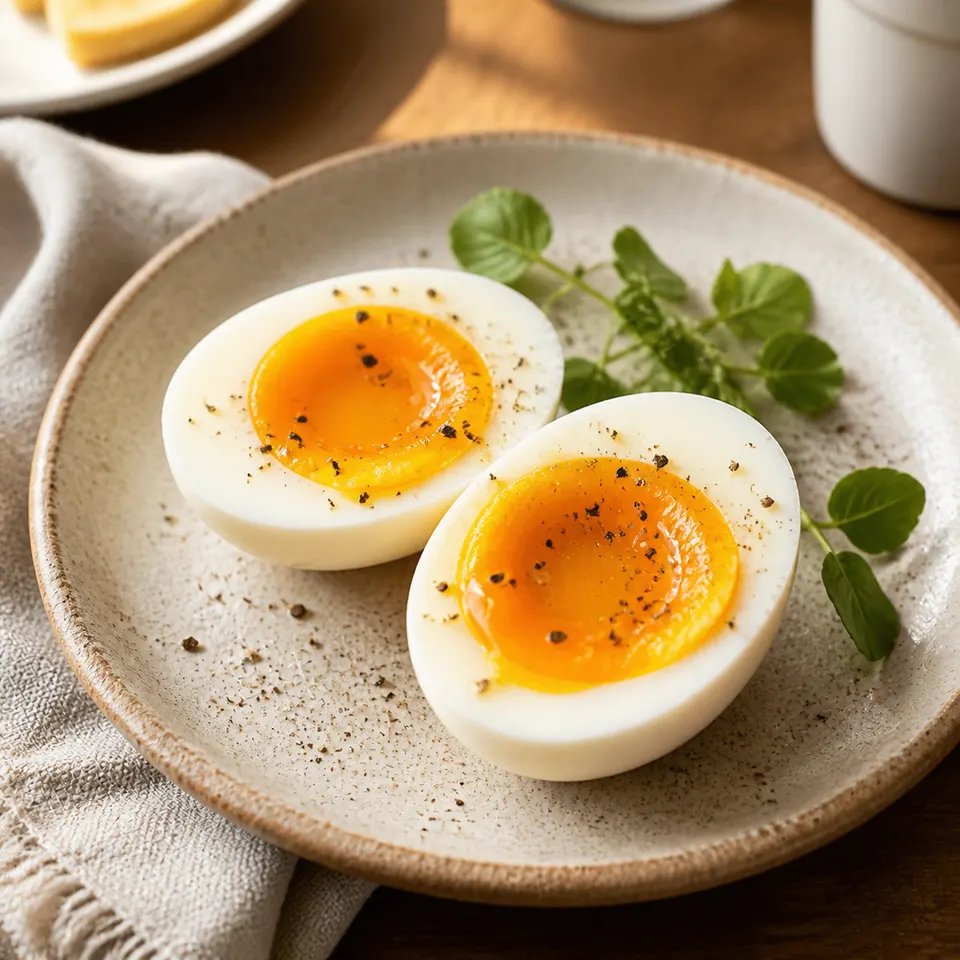
8. Whole eggs
- Protein per 100g: ~13g
- Calories per 100g: ~155
- Protein per 100 cal: ~8g
- Typical serving: 2 large eggs = ~12g protein, ~140 cal
Whole eggs are not the protein-density champion, but they are cheap, fast, filling, and nutritionally useful.
Why it works: Eggs provide complete protein, choline, fat-soluble vitamins, and enough fat to make breakfast feel satisfying. They pair well with higher-density proteins like egg whites or Greek yogurt.
How to actually eat it: Hard-boil a dozen for easy breakfasts and snacks. Scramble eggs with vegetables, add egg whites for extra protein, or use eggs as the protein anchor in a quick breakfast wrap.
Dairy proteins
Dairy is useful because it can solve the breakfast and snack problem. Many people do fine with protein at lunch and dinner but miss by 30-50g because breakfast is mostly cereal, toast, coffee, or fruit.
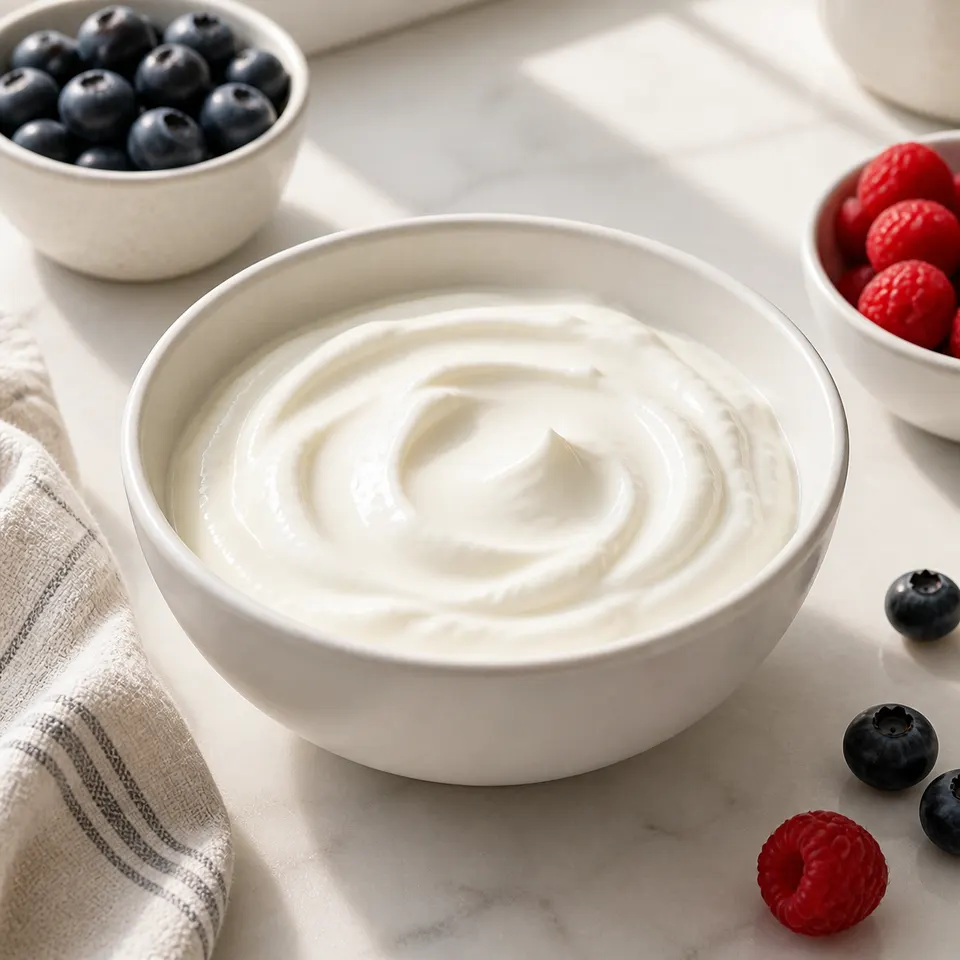
9. Plain nonfat Greek yogurt
- Protein per 100g: ~10g
- Calories per 100g: ~59
- Protein per 100 cal: ~17g
- Typical serving: 1 cup = ~24g protein, ~145 cal
Plain nonfat Greek yogurt may be the most practical high-protein food on this list. It requires no cooking, works sweet or savory, and is easy to keep in the fridge.
Why it works: Excellent protein density, mostly casein and whey dairy protein, and strong convenience. A bowl of Greek yogurt with berries can hit 25-30g protein for around 200 calories.
How to actually eat it: Buy plain, then add your own fruit, cinnamon, vanilla, or a small amount of honey. Use it as a sour cream swap, a dip base, or a high-protein dessert base. Flavored versions can still work, but check added sugar and calories.
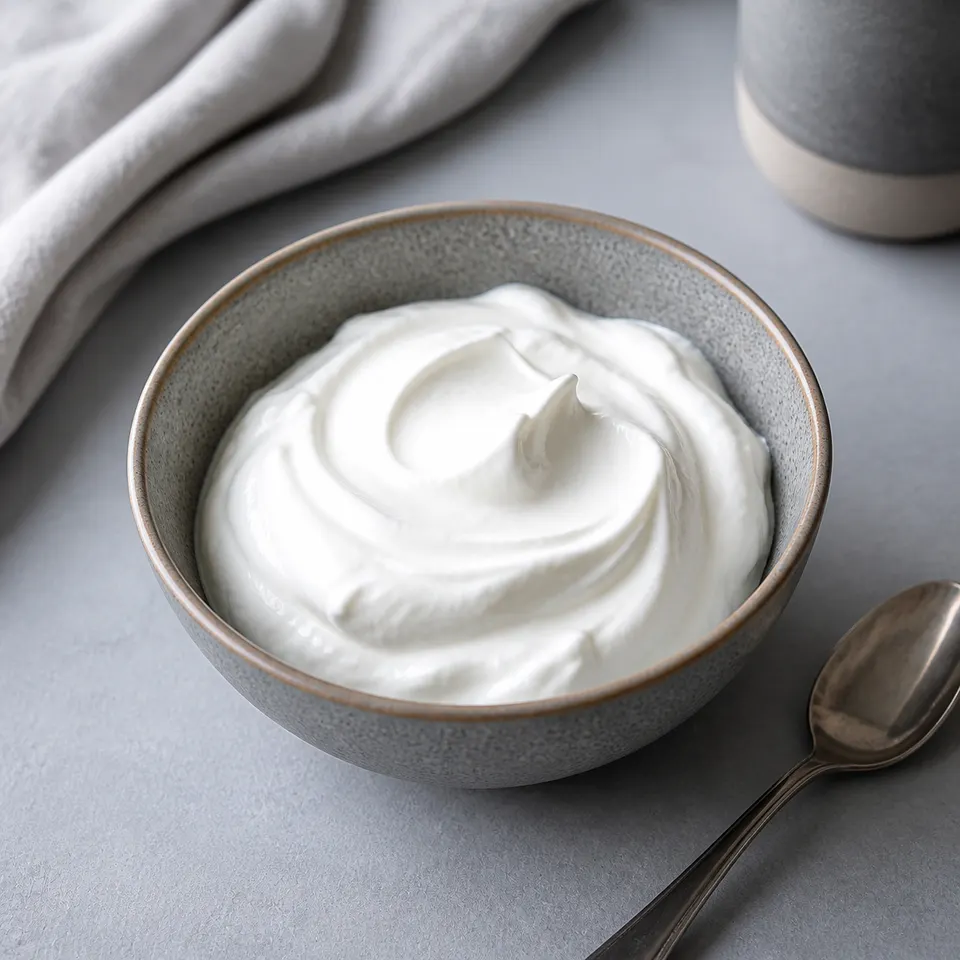
10. Skyr
- Protein per 100g: ~10-11g
- Calories per 100g: ~60-65
- Protein per 100 cal: ~16-18g
- Typical serving: 1 cup = ~24-26g protein, ~150 cal
Skyr is Icelandic-style strained yogurt. It is usually thick, tart, and very high in protein for the calories.
Why it works: Similar benefits to Greek yogurt, sometimes with a slightly better protein density and a texture people prefer.
How to actually eat it: Use it the same way you would use Greek yogurt. Plain skyr is the most flexible, but some flavored versions have reasonable macros if the added sugar is modest.
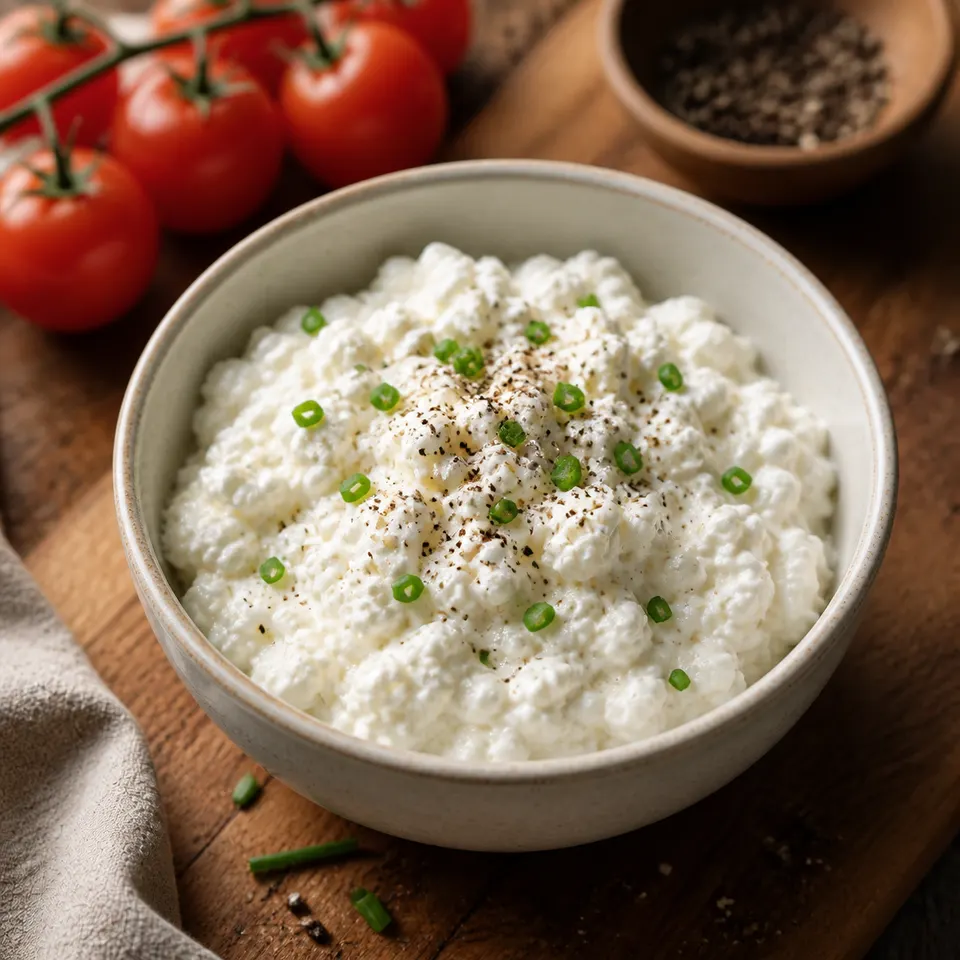
11. Cottage cheese, low-fat 1% or 2%
- Protein per 100g: ~11-12g
- Calories per 100g: ~80-95
- Protein per 100 cal: ~12-14g
- Typical serving: 1 cup = ~24-28g protein, ~180-215 cal
Cottage cheese is back because it solves a real problem: high protein, high satiety, minimal prep.
Why it works: Cottage cheese is rich in casein, which digests more slowly than whey and tends to keep people full. It is useful as a snack, a breakfast side, or a pre-bed option.
How to actually eat it: Eat it with berries or pineapple, go savory with pepper and tomatoes, blend it into pancake batter, or stir it into pasta sauce for creaminess. The main caveat is sodium. Cottage cheese is often much higher in sodium than Greek yogurt, so check labels if that matters for you.
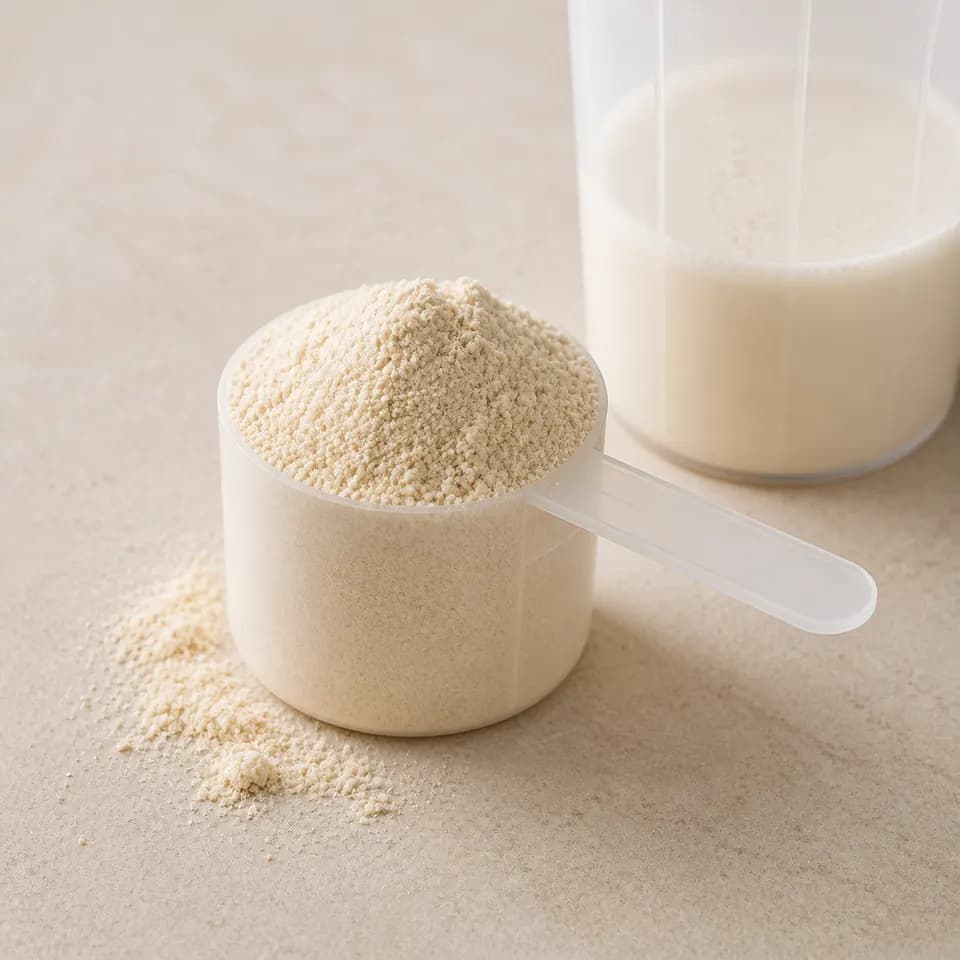
12. Whey protein powder
- Protein per 100g powder: ~80g
- Calories per 100g powder: ~370
- Protein per 100 cal: ~21g
- Typical serving: 1 scoop = ~24g protein, ~120 cal
Protein powder is not a whole food, but it belongs here because it solves a specific weight-loss problem: hitting a high protein target without adding much food volume or many calories.
Why it works: Very high protein density and very low friction. It is useful after workouts, at breakfast, or on days when whole-food meals leave you short.
How to actually eat it: Mix whey isolate with water or milk, stir it into Greek yogurt, blend it into smoothies, or add it to oats after cooking. Skip mass gainers and proprietary fat-burner blends. Plain whey or a simple plant protein powder is usually the better choice.
Plant proteins
Plant proteins usually have lower protein density than animal proteins because they often come packaged with more carbs, fiber, or fat. That does not make them worse. It just means portions and meal structure matter more.
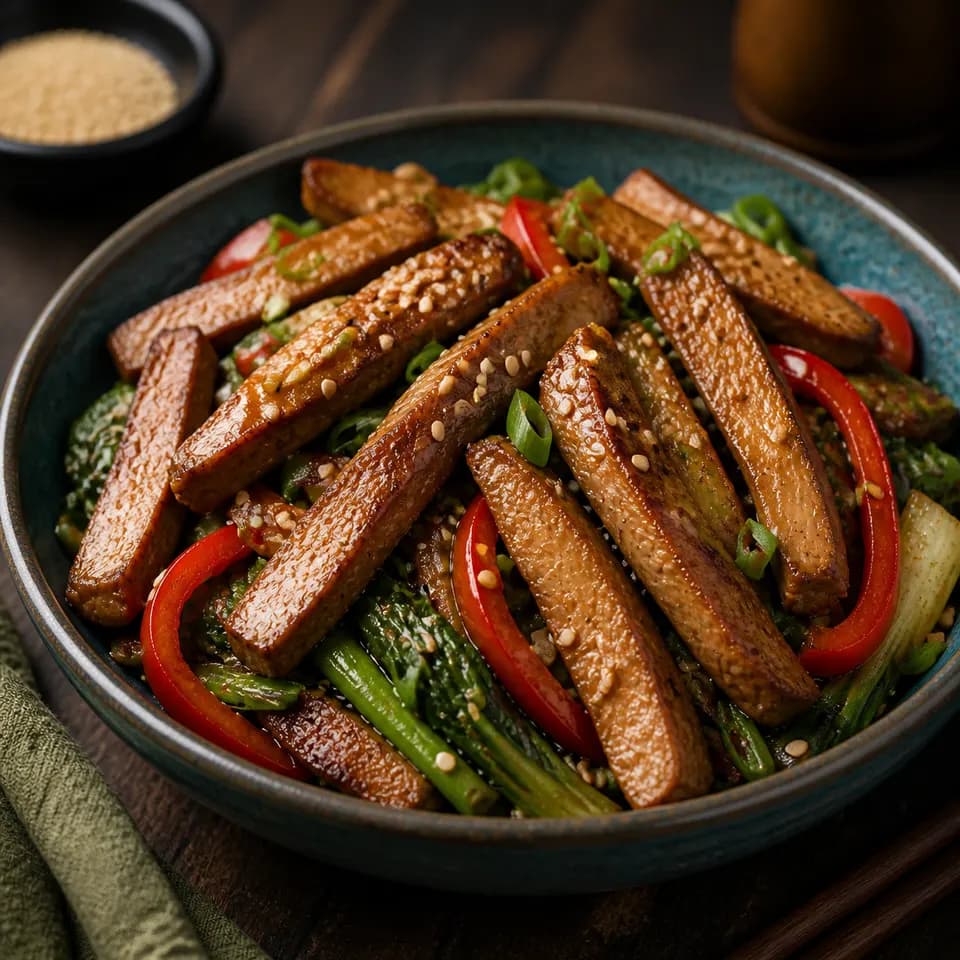
13. Seitan
- Protein per 100g: ~25g
- Calories per 100g: ~140
- Protein per 100 cal: ~18g
- Typical serving: 3 oz = ~21g protein, ~120 cal
Seitan, made from wheat gluten, is the protein-density standout of the plant world. It is closer to chicken breast than most beans or grains are.
Why it works: Very high protein for the calories, satisfying chewy texture, and easy use in savory meals. The major limitation is that it is not appropriate for people with celiac disease or gluten sensitivity.
How to actually eat it: Pan-sear strips for stir-fries, sandwiches, tacos, or bowls. Marinate it with soy sauce, garlic, ginger, chili, or barbecue-style seasonings. Seitan is lower in lysine, so pair it with legumes or soy foods across the day.
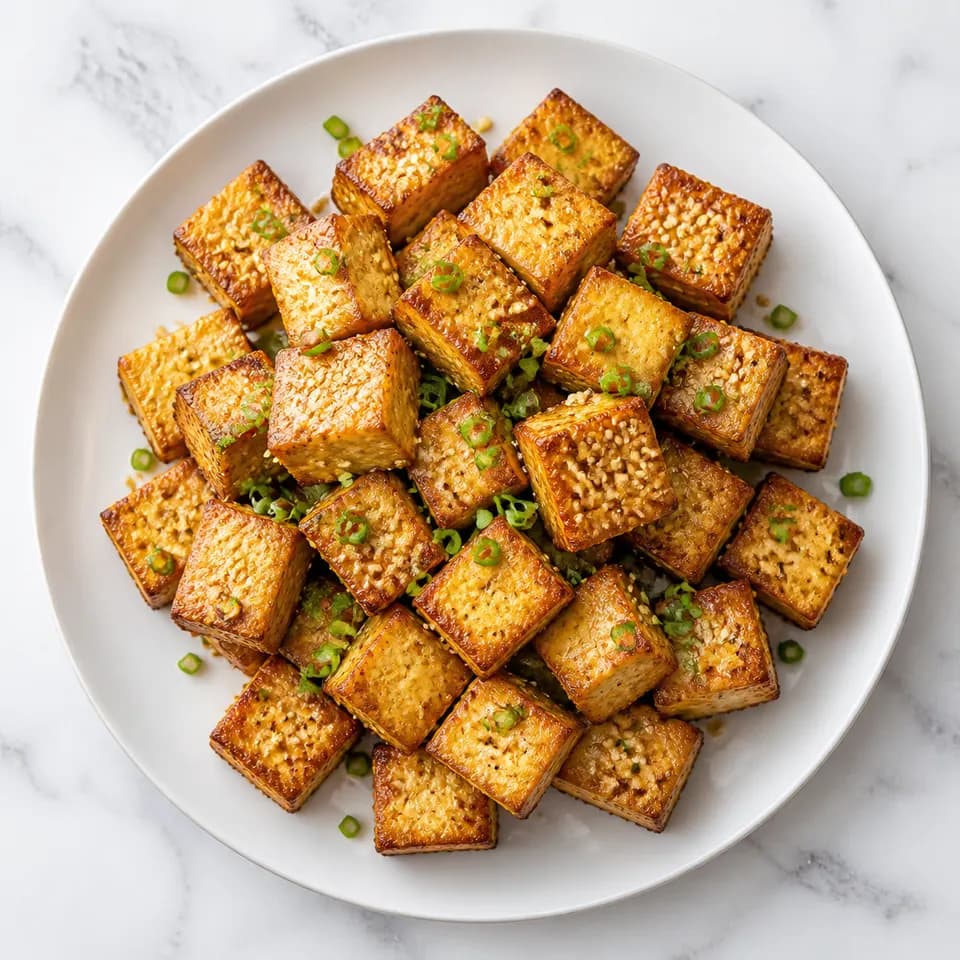
14. Firm or extra-firm tofu
- Protein per 100g: ~16g
- Calories per 100g: ~145
- Protein per 100 cal: ~11g
- Typical serving: 4 oz = ~18g protein, ~165 cal
Tofu is the most flexible plant protein. It can be bland if treated like an afterthought, but it is excellent when pressed, seasoned, and cooked properly.
Why it works: Complete soy protein, moderate calories, low cost, and broad cooking flexibility. Extra-firm tofu is usually the best choice for high-protein meals.
How to actually eat it: Press out water, cube it, season it, and bake at 400 F until the edges crisp. Pan-fry it for bowls, crumble it into scrambles, or marinate it before cooking. Tofu without salt, acid, spice, or sauce will taste like you forgot to finish dinner.
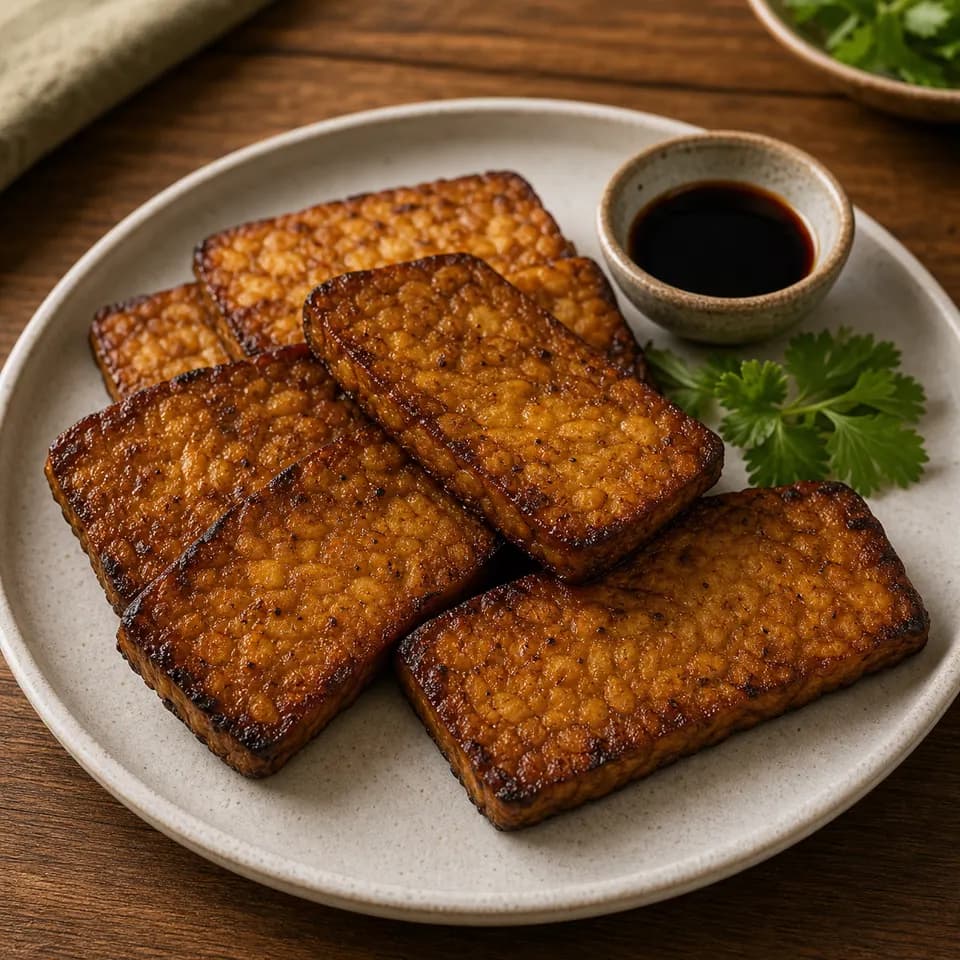
15. Tempeh
- Protein per 100g: ~19-20g
- Calories per 100g: ~190
- Protein per 100 cal: ~10g
- Typical serving: 3 oz = ~16g protein, ~160 cal
Tempeh is fermented soybeans pressed into a firm cake. It is denser and nuttier than tofu, with more protein per gram.
Why it works: Complete protein, high fiber, and a firmer texture that works well in bowls, sandwiches, and stir-fries.
How to actually eat it: Slice or crumble, marinate for at least 20 minutes, then pan-fry until browned. Soy sauce, garlic, ginger, maple, sriracha, balsamic, and smoked paprika all work well. Some people prefer steaming tempeh briefly before marinating to soften its bitterness.
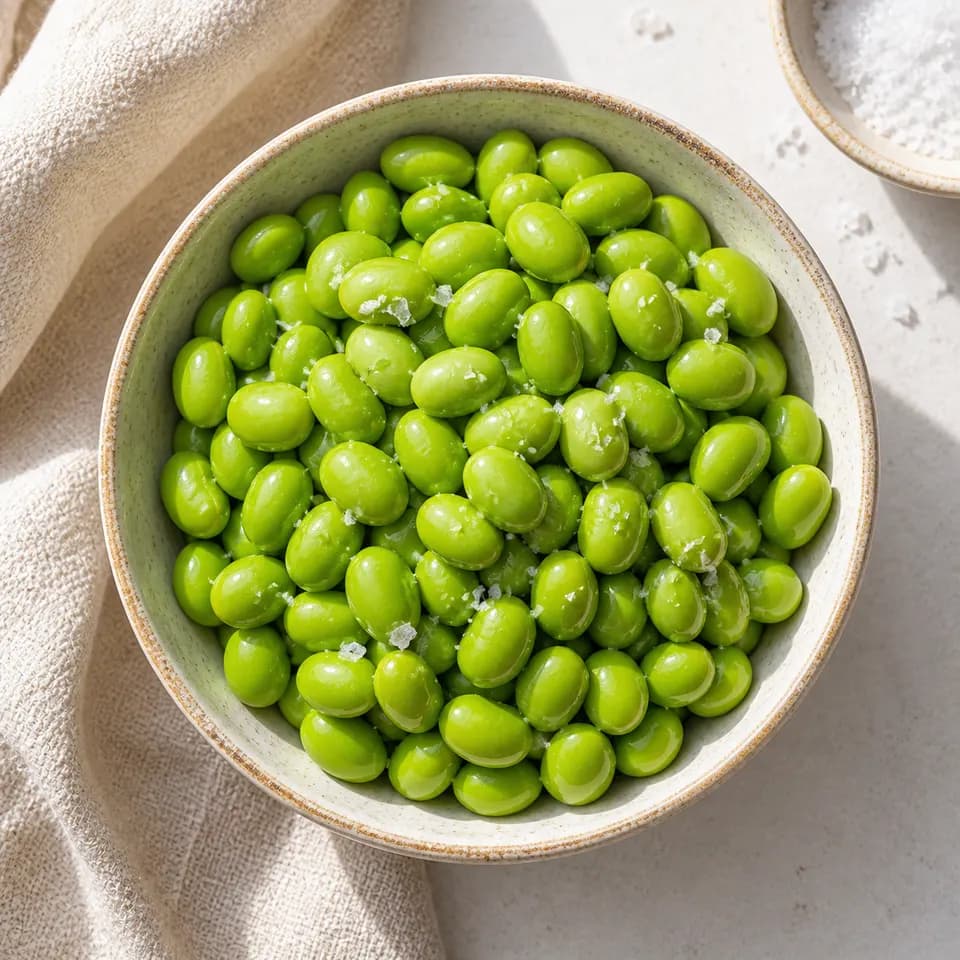
16. Edamame, shelled, cooked
- Protein per 100g: ~11g
- Calories per 100g: ~120
- Protein per 100 cal: ~9g
- Typical serving: 1 cup shelled = ~17g protein, ~190 cal
Edamame is young soybeans. It has more protein than most legumes and a complete amino acid profile.
Why it works: A rare plant food that combines complete protein, fiber, and strong snackability. It is especially useful for vegetarian meals that need more protein without adding another dairy item.
How to actually eat it: Buy frozen shelled edamame. Thaw, salt, and eat as a snack, or add it to salads, grain bowls, stir-fries, and soups. Whole-pod edamame is satisfying as an appetizer; shelled is easier for meal prep.
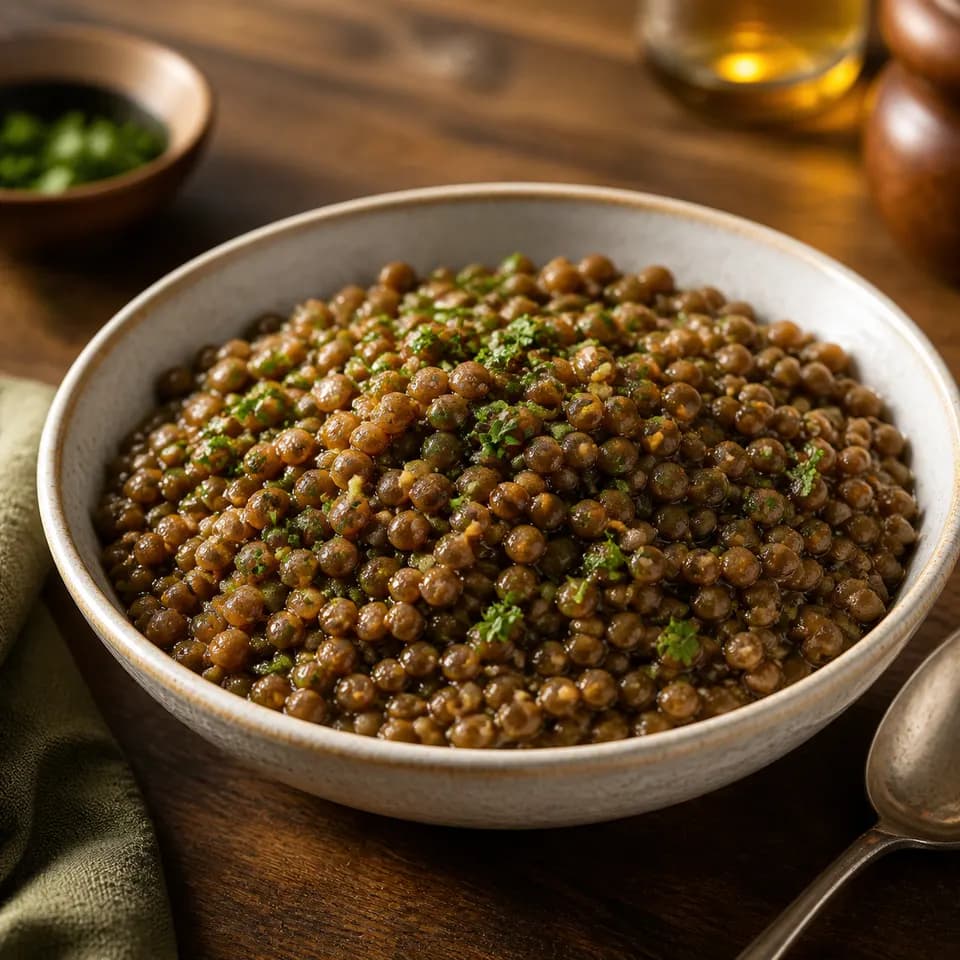
17. Lentils, cooked
- Protein per 100g: ~9g
- Calories per 100g: ~115
- Protein per 100 cal: ~8g
- Typical serving: 1 cup cooked = ~18g protein, ~230 cal
Lentils are not as protein-dense as tofu or seitan, but they are cheap, filling, and rich in fiber.
Why it works: The protein-plus-fiber combination produces serious fullness. Lentils are also excellent for adding volume to meals without a large calorie load.
How to actually eat it: Use lentils in soups, curries, chili, salads, or veggie burgers. Mix lentils into ground meat dishes to cut calories and increase fiber while keeping the meal filling. Red lentils break down quickly; green and brown lentils hold their shape.
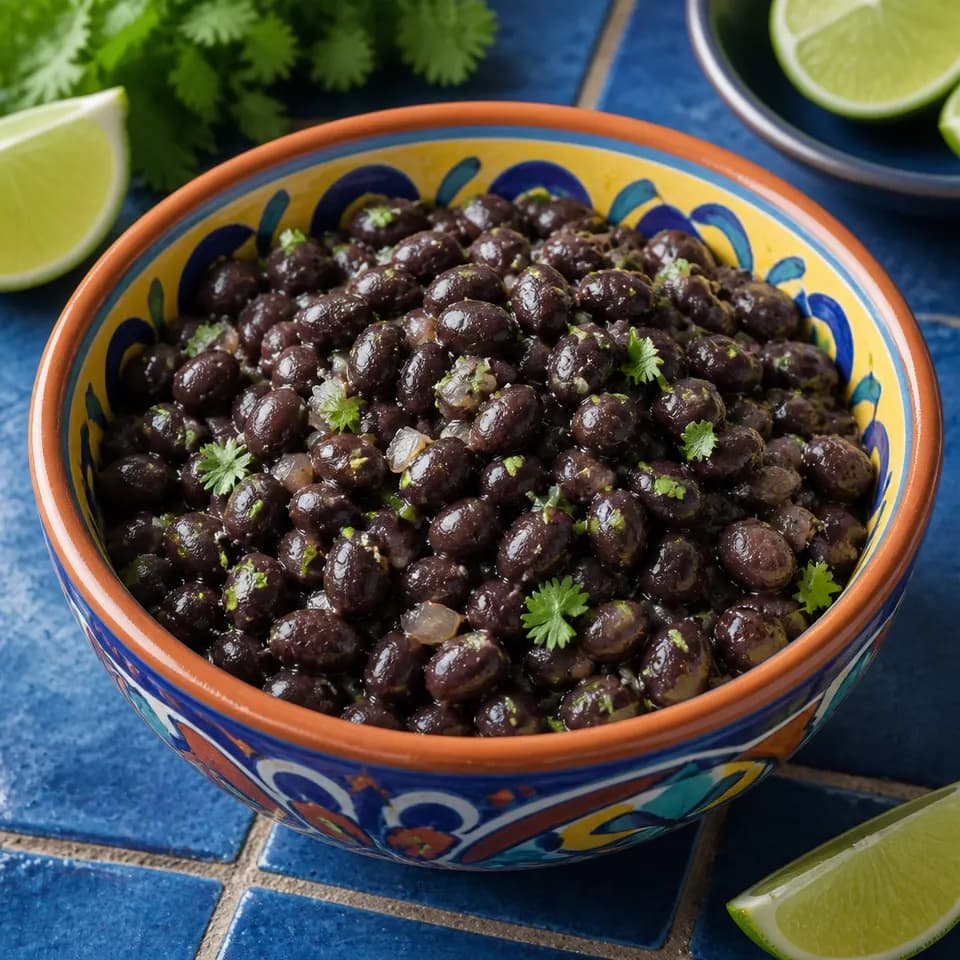
18. Black beans, cooked
- Protein per 100g: ~9g
- Calories per 100g: ~130
- Protein per 100 cal: ~7g
- Typical serving: 1 cup cooked = ~15g protein, ~225 cal
Black beans are a solid baseline plant protein, though not a protein-density leader.
Why it works: They are affordable, shelf-stable, high in fiber, and easy to combine with higher-protein foods. They work especially well as part of a larger meal rather than as the only protein source.
How to actually eat it: Use them in tacos, burrito bowls, soups, salads, and bean-and-egg breakfasts. Canned beans are fine. Drain and rinse them if you want to reduce sodium.
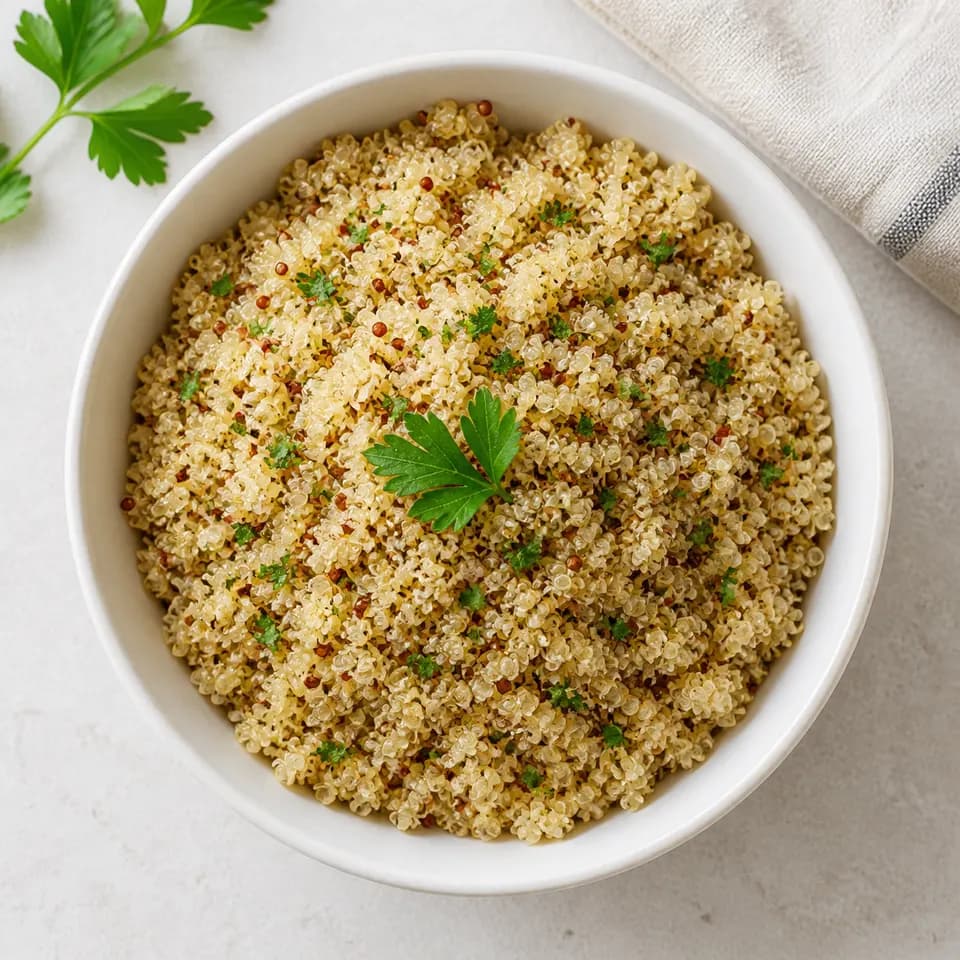
19. Quinoa, cooked
- Protein per 100g: ~4g
- Calories per 100g: ~120
- Protein per 100 cal: ~4g
- Typical serving: 1 cup cooked = ~8g protein, ~220 cal
Quinoa is often described as high protein, but that is only true compared with other grains. It should not be treated as the main protein source in a weight-loss meal.
Why it works: It is better understood as a protein-fortified carb. It has more protein than rice, a complete amino acid profile, and enough structure to work well in bowls and salads.
How to actually eat it: Use quinoa instead of rice when you want a little more protein and fiber in the carb portion of a meal. Pair it with tofu, chicken, fish, Greek yogurt sauces, beans, or edamame if the meal needs to be truly high protein.
What did not make the list
Several foods marketed as "high protein" are not very useful as primary protein sources during weight loss.
Peanut butter and nut butters. Peanut butter contains protein, but it is mostly a calorie-dense fat source. A tablespoon can fit a diet beautifully. It is just not an efficient way to hit 130-180g of protein.
Most cheese. Hard cheeses like cheddar, parmesan, and gouda contain protein, but they also contain enough fat that their protein density is lower than Greek yogurt, skyr, or cottage cheese. Cheese can be part of a diet, but it is not where most people should lean for protein during a cut.
Bacon and many processed meats. Bacon is mostly fat by calories. Processed meats also tend to bring more sodium and additives. If you want red meat, lean ground beef or lean steak is usually a better protein choice.
Protein cookies, bars, cereal, and snacks. Some are useful in a pinch, but many are regular snack foods with 10-15g of added protein. Compare protein per 100 calories before assuming the front label is helping you.
Beef jerky. Jerky can be a good portable protein, but it is usually expensive and very high in sodium. Useful sometimes, not ideal as a daily staple.
How much of these foods should you eat?
For most adults trying to lose weight while preserving muscle, a practical target is 1.6-2.2 grams of protein per kilogram of body weight per day, or about 0.7-1.0 grams per pound34. For someone weighing 180 lbs, that is roughly 130-180g of protein per day.
What 150g of protein can look like in practice:
- Breakfast: 1 cup nonfat Greek yogurt with berries plus 2 eggs = ~36g
- Lunch: 5 oz chicken breast plus 1 cup cottage cheese on the side = ~70g
- Snack: 1 scoop whey protein = ~24g
- Dinner: 5 oz salmon with vegetables and rice = ~35g
- Total: ~165g protein
A vegetarian version:
- Breakfast: Greek yogurt plus eggs = ~36g
- Lunch: Tofu and edamame stir-fry = ~30g
- Snack: Cottage cheese with fruit = ~24g
- Dinner: Lentil chili with quinoa = ~30g
- Optional protein powder: ~20-25g
- Total: ~140-145g protein
The pattern is simple: anchor each meal around a real protein source, front-load protein into breakfast, and use Greek yogurt, cottage cheese, skyr, egg whites, or protein powder to fill gaps. A calorie tracker like Mindful can help here if your goal is to see whether your meals are actually adding up to the target without turning every choice into a math problem. For more on setting your numbers, see our guide to tracking macros.
Frequently asked questions
What is the highest-protein, lowest-calorie food?
Egg whites, turkey breast, white fish, and plain whey protein powder are the practical leaders. White fish and turkey breast are the best whole-meal anchors; egg whites and whey are better as add-ons.
How much protein do I need per day to lose weight?
For weight loss with muscle preservation, 1.6-2.2 g/kg of body weight per day is a useful range for active adults34. For someone weighing 70 kg, that is about 110-155g per day. Going far higher usually does not add much benefit for most people, and going much lower can make it harder to preserve lean mass during a deficit.
Is plant protein as good as animal protein for weight loss?
Yes, if total protein, calories, and food quality are handled well. The practical challenge is that many plant proteins have lower protein density, so you may need larger portions or more deliberate meal planning. Seitan, tofu, tempeh, edamame, lentils, and plant protein powders solve a lot of that problem.
Can I eat too much protein?
For most healthy adults, high-protein diets have not been shown to damage kidney function. The caution is different for people with pre-existing kidney disease, where protein intake may need medical supervision. The practical ceiling is that after a certain point, more protein crowds out carbs, fats, fiber, and foods you enjoy without meaningfully improving results4.
Do I need protein powder?
No. Whole foods can cover your protein target. Protein powder is useful when whole-food meals would push calories too high, when you are short on time, or when breakfast is otherwise low protein. Treat it as a tool, not a requirement.
Is it better to spread protein across meals?
Usually, yes. A simple approach is 3-5 protein feedings per day, with roughly 25-40g per meal depending on your size and total target. This tends to be easier for appetite control and for supporting training adaptations than trying to fit most of your protein into one huge dinner4.
What about protein at breakfast?
Breakfast is where many people lose the day. Cereal, toast, pastries, and coffee can leave you with almost no protein by noon. Adding eggs, Greek yogurt, cottage cheese, skyr, tofu scramble, or a protein smoothie is one of the easiest ways to make the rest of the day more manageable.
What is the cheapest high-protein food?
Eggs, dried lentils, canned tuna, cottage cheese, Greek yogurt, and chicken breast are usually strong protein-per-dollar options. Exact prices vary by store and region. If budget is the constraint, build meals around eggs, lentils, beans, chicken, canned fish, and sale-priced dairy.
Should I avoid red meat for weight loss?
No, not automatically. Lean cuts of red meat can fit weight loss well because they provide a lot of protein and can be satisfying. The more useful distinction is lean, minimally processed meat versus high-fat or heavily processed options. If red meat is part of your diet, lean ground beef, sirloin, eye of round, and flank are better protein-density choices than bacon, sausage, or heavily marbled cuts.
How do I hit a high protein target as a vegan?
Anchor meals around seitan, tofu, tempeh, edamame, lentils, beans, and a vegan protein powder if needed. The failure mode is assuming vegetables and grains automatically make a high-protein day. They usually do not. Plan the protein first, then build the meal around it.
Where Mindful can help
The hardest part of using a list like this is not knowing that chicken, fish, tofu, Greek yogurt, and lentils contain protein. It is seeing whether breakfast, snacks, lunch, and dinner actually add up to your target without overshooting calories.
Mindful can help by keeping protein, calories, and macros visible against your goals while you log meals. That is useful when you are deciding whether dinner needs salmon, tofu, a side of cottage cheese, or simply more vegetables because protein is already handled.
References
Footnotes
-
Kohanmoo A, Faghih S, Akhlaghi M. "Effect of short- and long-term protein consumption on appetite and appetite-regulating gastrointestinal hormones, a systematic review and meta-analysis of randomized controlled trials." Physiology & Behavior 226:113123. November 2020. DOI ↩
-
Halton TL, Hu FB. "The effects of high protein diets on thermogenesis, satiety and weight loss: a critical review." Journal of the American College of Nutrition 23(5):373-385. October 2004. DOI ↩
-
Morton RW, Murphy KT, McKellar SR, Schoenfeld BJ, Henselmans M, Helms E, Aragon AA, Devries MC, Banfield L, Krieger JW, Phillips SM. "A systematic review, meta-analysis and meta-regression of the effect of protein supplementation on resistance training-induced gains in muscle mass and strength in healthy adults." British Journal of Sports Medicine 52(6):376-384. March 2018. DOI ↩ ↩2 ↩3 ↩4
-
Jager R, Kerksick CM, Campbell BI, et al. "International Society of Sports Nutrition Position Stand: protein and exercise." Journal of the International Society of Sports Nutrition 14:20. June 2017. DOI ↩ ↩2 ↩3 ↩4 ↩5 ↩6
-
U.S. Department of Agriculture, Agricultural Research Service. FoodData Central. Accessed May 2026. USDA FoodData Central ↩