Popular Diets Compared: Evidence-Based Guide to 19 Diets in 2026
Compare 19 popular diets, including Mediterranean, DASH, keto, intermittent fasting, paleo, vegan, Whole30, and more. What the research actually says, who each diet is best for, and how to choose without picking a fight.
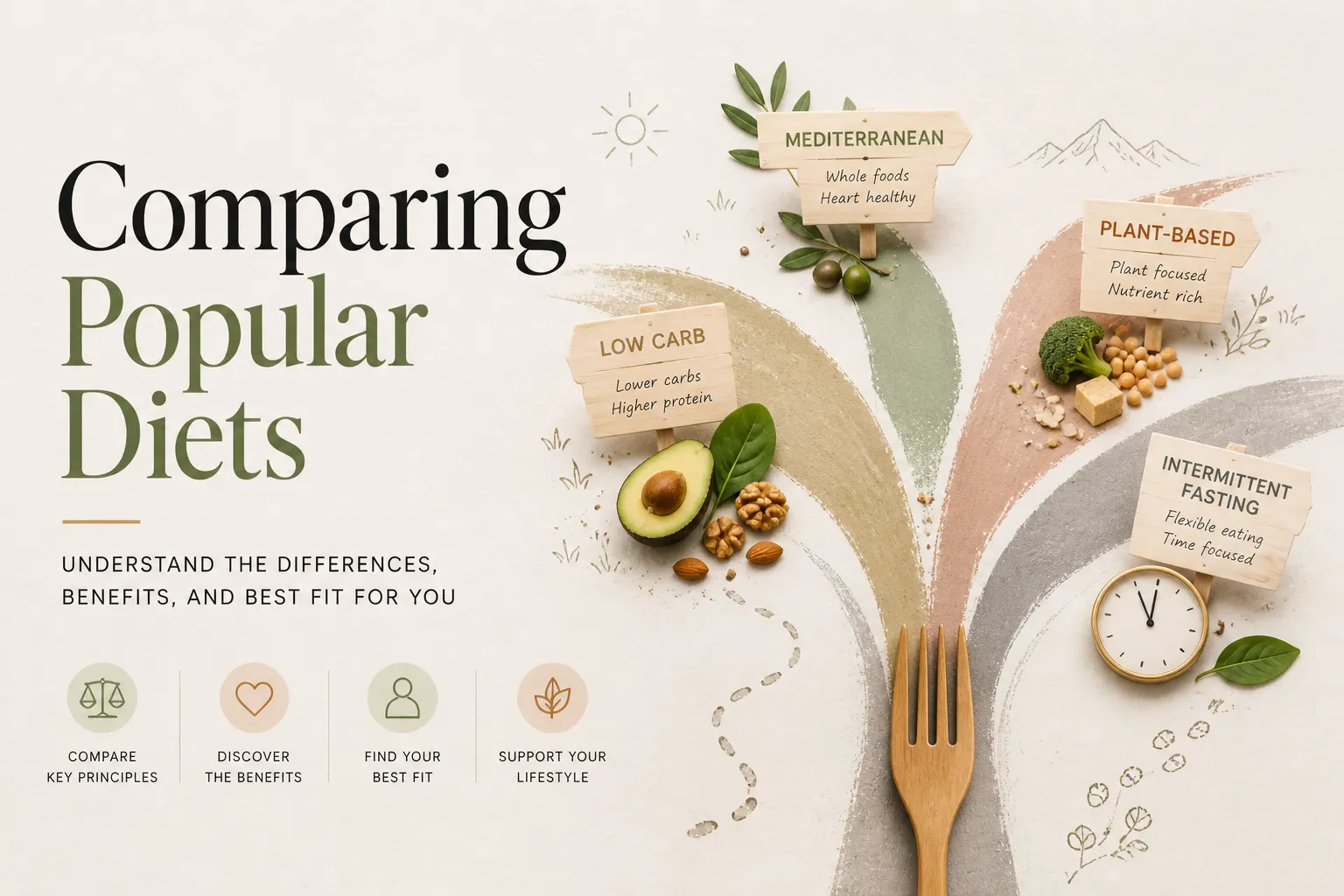
TL;DR. There are dozens of popular diets, but the research repeatedly arrives at the same conclusion: the diet you can sustain for years matters more than the diet that's optimal on paper. The Mediterranean and DASH diets have the strongest long-term cardiovascular and metabolic evidence. Ketogenic and intermittent fasting diets work for short-term weight loss but show similar results to standard calorie restriction. Vegan and vegetarian diets have strong observational evidence for longevity. Carnivore and many fad diets have very limited research. Below, an evidence-based breakdown of 19 popular diets, what they are, what works, and how to choose.
There are dozens of popular diets, hundreds of strong opinions about them, and a relatively small body of high-quality research. Most diet content sells you on a single approach as if the science were settled. It isn't.
This guide walks through 19 of the most popular diets, including Mediterranean, DASH, ketogenic, intermittent fasting, paleo, vegan, Whole30, and more, and what the actual research says about each. The goal isn't to crown a winner. It's to give you a clear-eyed view of what each diet is, what it's well-suited for, where the evidence is strong or weak, and how to think about whether any of them fit your life.
A note before reading. If you have a history of disordered eating, are in recovery, or notice yourself becoming preoccupied with food rules, comparing diets can be a trigger. Most clinical guidance recommends avoiding structured diet protocols entirely in those situations and working with a registered dietitian or therapist instead.
How to think about a diet before picking one
Three questions are worth sitting with before reading the rest of this article.
What outcome are you actually optimizing for? "Be healthier" is too broad to act on. Lower blood pressure, lose 20 lbs, manage type 2 diabetes, reduce inflammation, slow cognitive decline, and eat more sustainably are all different goals, and they map to different diets. The Mediterranean diet has the strongest cardiovascular evidence; DASH was designed specifically for hypertension; MIND was designed for cognitive health; ketogenic diets have specific medical applications. The right diet depends on what problem you're solving.
Can you actually sustain it? Studies of dietary adherence consistently show that the diet someone follows for years is more important than the diet that's optimal on paper. The DIETFITS trial, a 12-month randomized study of 609 adults comparing healthy low-fat and healthy low-carbohydrate diets, found roughly equivalent weight loss in both groups (mean ~5.3 kg low-fat vs ~6.0 kg low-carb)1. The macronutrient split mattered less than whether participants stuck with it.
Does it match your culture, schedule, and food environment? A Mediterranean diet is harder if you live somewhere without easy access to fresh fish, olive oil, and produce. Intermittent fasting is harder if you have an early-morning physical job. Vegan eating is harder in food deserts. Keto is harder if your social life revolves around shared meals. The most "scientifically optimal" diet is the wrong choice if your life can't accommodate it.
The diets below are organized by approach: time-based, low-carb, plant-forward, structured programs, restrictive elimination, and macro-balanced. The point is to map the territory, not to pick a winner.
Time-based eating
These approaches focus on when you eat rather than what.

Intermittent fasting (16:8, 5:2, alternate-day fasting)
What it is. Time-restricted or intermittent caloric restriction. Common variants: 16:8 (eat within an 8-hour daily window, fast for 16), 5:2 (normal eating five days a week, severe restriction two days), and alternate-day fasting (full or near-full fasting every other day).
The evidence. A 2025 systematic review and network meta-analysis published in BMJ analyzed 99 randomized controlled trials with 6,582 participants and concluded that intermittent fasting and continuous calorie restriction produce roughly equivalent weight loss and cardiometabolic improvements2. Alternate-day fasting was the only IF variant to show small additional benefits over standard calorie restriction (around 1.3 kg additional weight loss), but the difference didn't reach the prespecified clinical relevance threshold of 2 kg. The takeaway: IF can work, but its results were broadly similar to continuous calorie restriction; the choice is mostly about which eating pattern fits your life.
Best for. People who find it easier to skip meals than to portion-control, those whose schedules naturally fit a compressed eating window, and anyone who prefers a "rules about timing" approach to "rules about food."
Watch-outs. Not appropriate for people with histories of disordered eating, pregnant or nursing women, those with type 1 diabetes, or anyone on medications that require food. Some research suggests that compressed eating windows can reduce protein intake, which matters for muscle maintenance.
Low-carbohydrate diets
These diets restrict carbohydrate intake to varying degrees, replacing those calories with fat, protein, or both. The category ranges from moderate (40% of calories from carbs) to extreme (under 10%, which produces nutritional ketosis).

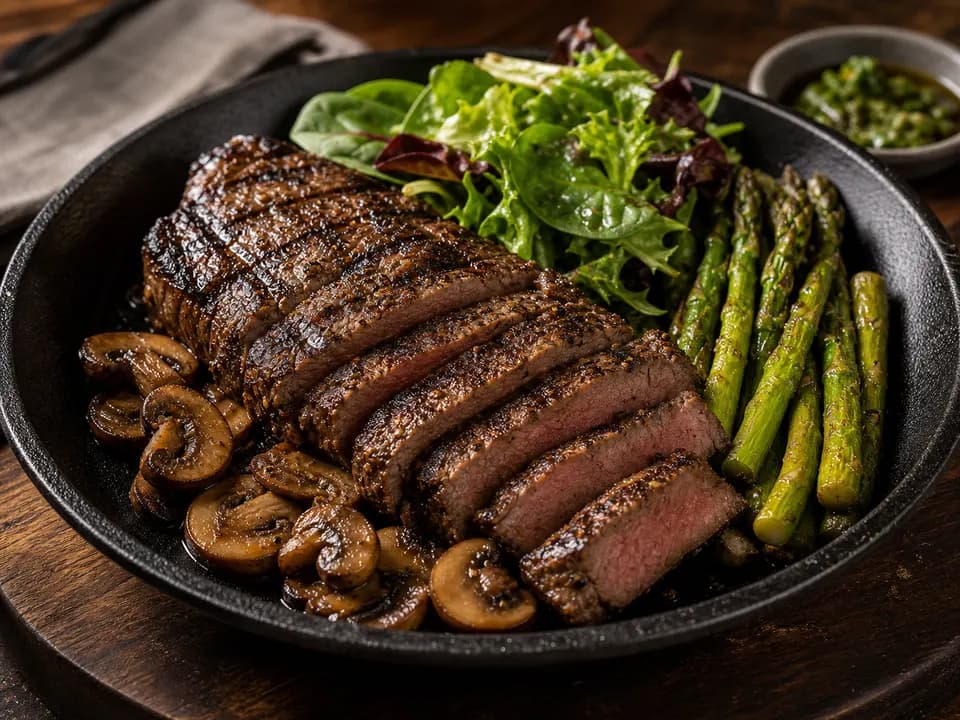
Ketogenic diet
What it is. A very-low-carbohydrate diet (typically under 50g of carbs per day, often under 20g) that puts the body into nutritional ketosis, where fat becomes the primary fuel source. Macros typically run ~70 to 80% fat, 15 to 20% protein, and 5 to 10% carbs.
The evidence. A 2023 umbrella review in BMC Medicine analyzed 17 meta-analyses encompassing 68 unique RCTs3. High-quality evidence supported keto for reducing seizure frequency in epilepsy and lowering triglycerides, but also for raising LDL cholesterol, a clinically meaningful concern. Moderate-quality evidence supported short-term weight loss and HbA1c reduction. Long-term cardiovascular safety remains an open question because most trials run six months or less. The strongest medical evidence for keto is in drug-resistant epilepsy, where it's been used clinically since the 1920s.
Best for. Drug-resistant epilepsy (under medical supervision), short-term weight loss, type 2 diabetes management (often dramatically improves blood sugar control short-term), and people who find that very-low-carb eating reduces their hunger.
Watch-outs. High dropout rates, LDL cholesterol increases, the "keto flu" during transition, social difficulty, and the documented difficulty most people have sustaining ketosis for years rather than months.
Atkins diet
What it is. A four-phase low-carb diet developed by Dr. Robert Atkins in the 1970s. Phase 1 mimics ketogenic restriction (under 20g carbs/day); subsequent phases gradually reintroduce carbohydrates while maintaining a low-carb baseline.
The evidence. Atkins is essentially a phased entry into and partial maintenance of low-carb eating. The research overlaps with broader low-carb literature: meaningful short-term weight loss, comparable to other calorie-restricted diets at 12 months, with the same caveats about LDL cholesterol increases for some people.
Best for. People who want a structured phase-based approach to low-carb eating with reintroduction built in.
Watch-outs. The branding around Atkins (specific Atkins-branded products) can lean processed-food-heavy, which undermines the diet's premise.

Low-carb diet (general)
What it is. Any eating pattern that significantly reduces carbohydrate intake without going to ketogenic extremes. Typically 50 to 150g of carbs per day, with no fixed macro split.
The evidence. The DIETFITS trial published in JAMA (2018) followed 609 adults on either a healthy low-fat or healthy low-carb diet for 12 months and found weight loss was statistically equivalent between groups1. At moderate restriction levels, the carb-fat split matters less than overall food quality and adherence.
Best for. People who feel better with reduced carbs, those managing type 2 diabetes or insulin resistance, anyone who finds carb restriction more sustainable than calorie counting.
Watch-outs. "Low-carb" is a wide spectrum. Cardiovascular outcomes depend heavily on what replaces the carbs. Replacing refined grains with vegetables and lean protein looks different from replacing them with bacon and butter.

Paleo diet
What it is. Based on foods presumed to have been eaten by Paleolithic-era humans: meat, fish, eggs, vegetables, fruits, nuts, and seeds. Excludes grains, legumes, dairy, refined sugar, and processed foods.
The evidence. A 2015 systematic review and meta-analysis in the American Journal of Clinical Nutrition examined 4 randomized trials (159 participants total) and found short-term improvements in waist circumference, triglycerides, blood pressure, HDL cholesterol, and fasting blood glucose compared to control diets, though the authors rated the overall quality of evidence as low and noted that follow-up was limited to 6 months or less4. The Mayo Clinic notes that long-term clinical studies of the diet are scarce5.
Best for. People who feel better eating mostly whole, unprocessed foods; those who want a clear elimination framework; people who suspect grain or dairy intolerance.
Watch-outs. Excluding entire food groups (grains, legumes, dairy) removes nutrients that are difficult to replace. The premise that "Paleolithic humans ate this way" is more anthropologically complicated than the marketing suggests because diets in the Paleolithic era varied enormously by geography and season.
Plant-forward diets
These diets emphasize vegetables, fruits, whole grains, legumes, and unsaturated fats. Animal products may be limited, optional, or absent entirely. As a category, plant-forward diets have the strongest long-term health evidence in the entire nutrition literature.
Mediterranean diet
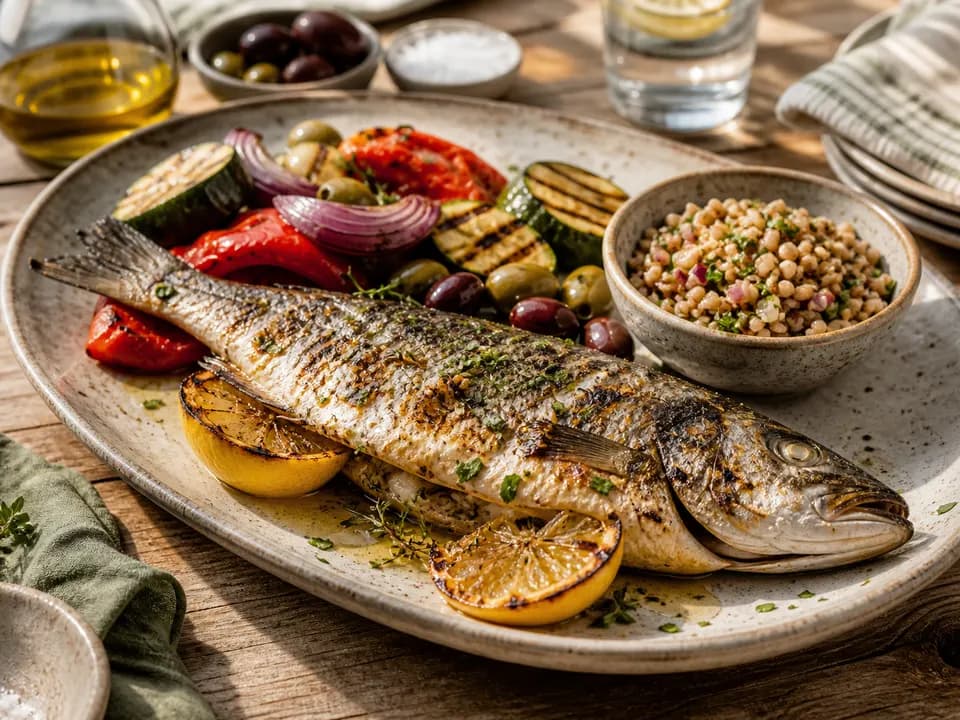
What it is. A flexible eating pattern based on the traditional foods of countries like Greece, Italy, and Spain. It is heavy on vegetables, fruits, whole grains, legumes, nuts, fish, and olive oil; light on red meat, processed foods, and added sugars; and moderate in dairy and wine with meals.
The evidence. The Mediterranean diet has more high-quality evidence behind it than any other named eating pattern. The landmark PREDIMED trial, a randomized controlled trial of 7,447 high-cardiovascular-risk adults, found that a Mediterranean diet supplemented with extra-virgin olive oil or nuts reduced major cardiovascular events (heart attack, stroke, cardiovascular death) by roughly 30% compared to a low-fat control diet6. Mediterranean consistently ranks near the top of expert diet ratings across categories ranging from heart health to diabetes management to longevity7.
Best for. General health, cardiovascular disease prevention, type 2 diabetes management, longevity, and people who want a flexible, food-positive eating pattern.
Watch-outs. The "Mediterranean diet" sold in the U.S. often bears little resemblance to the traditional eating pattern studied in the trials. Authentic Mediterranean eating means cooking most meals at home, eating fish multiple times a week, and centering meals on plants, not adding olive oil to an otherwise standard American diet.

DASH diet (Dietary Approaches to Stop Hypertension)
What it is. A diet rich in fruits, vegetables, low-fat dairy, whole grains, lean proteins, and nuts; low in sodium, saturated fat, sweets, and red meat. Designed by the National Heart, Lung, and Blood Institute specifically to lower blood pressure.
The evidence. The original DASH trial, published in the New England Journal of Medicine in 1997, randomized 459 adults with elevated blood pressure to one of three diets and found that the DASH eating pattern lowered systolic blood pressure by an average of 11.4 mm Hg in hypertensive participants, comparable to a single antihypertensive medication8. The follow-up DASH-Sodium trial showed that combining DASH with sodium reduction produces additional blood pressure benefits9. DASH was recognized as best heart-healthy diet and second-best overall in 2026 rankings7.
Best for. Blood pressure management, heart disease prevention, anyone with prehypertension or family history of cardiovascular disease.
Watch-outs. DASH is essentially a clinical eating pattern, not a weight-loss program. People often underestimate how much sodium they consume from packaged and restaurant food, which makes the sodium-reduction component harder than it looks.

MIND diet (Mediterranean-DASH Intervention for Neurodegenerative Delay)
What it is. A hybrid of the Mediterranean and DASH diets specifically tuned for brain health, emphasizing leafy greens, berries, nuts, whole grains, fish, poultry, beans, and olive oil.
The evidence. The MIND diet was developed by researchers at Rush University Medical Center, and observational studies suggest it's associated with slower cognitive decline. The largest randomized trial to date, published in the New England Journal of Medicine in 2023, randomized 604 cognitively unimpaired older adults with a family history of dementia to either the MIND diet or a control diet for three years10. Both groups improved on cognitive scores, and the difference between them was not statistically significant. Both groups also received mild caloric restriction support, which may explain why both improved, or may indicate that the MIND-specific food rules don't add much beyond a generally healthy reduced-calorie diet.
Best for. People with family history of dementia, those concerned about cognitive aging, anyone who likes the structure of a hybrid Mediterranean-DASH approach.
Watch-outs. The strongest cognitive-health evidence in the broader nutrition literature is for the Mediterranean diet, not specifically MIND. If you're choosing between the two, Mediterranean has the deeper research base and roughly the same brain-health benefits.
Flexitarian diet
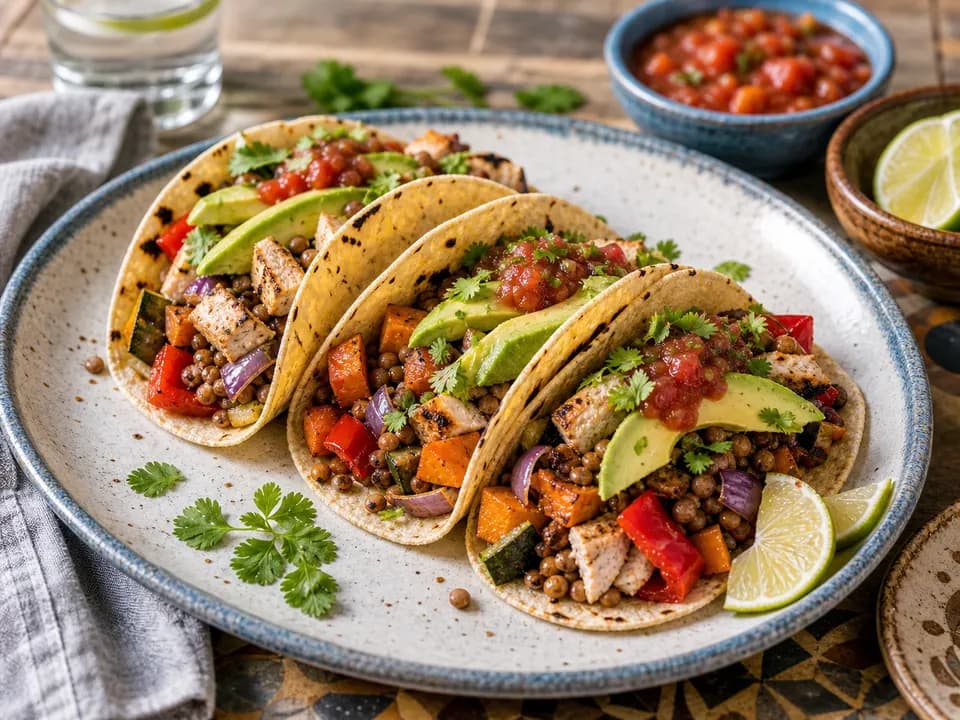
What it is. A semi-vegetarian eating pattern that emphasizes plant foods while allowing meat and fish in moderation. No strict rules, because flexibility is the point.
The evidence. Flexitarian eating shares much of the evidence base of vegetarian and Mediterranean diets, with the practical advantage of being easier to sustain. Observational studies consistently link plant-forward eating patterns to lower rates of heart disease, type 2 diabetes, and certain cancers, though disentangling the effect of "more plants" from "fewer ultra-processed foods" is methodologically difficult.
Best for. People who want most of the benefits of vegetarian eating without committing to full elimination, those transitioning toward plant-based eating, and anyone whose household includes mixed dietary preferences.
Watch-outs. "Flexitarian" can become a label for an unstructured diet that drifts back toward meat-heavy eating. The benefits depend on actually eating mostly plants.

Pescatarian diet
What it is. A vegetarian diet that includes fish and seafood. Excludes meat from land animals and poultry; usually includes dairy and eggs.
The evidence. A 2013 prospective cohort study from Loma Linda University, analyzing 73,308 Seventh-day Adventists, found that pescatarians had a 19% lower risk of all-cause mortality compared to non-vegetarians, with similar or better outcomes than full vegetarians on several markers11. The fish component delivers omega-3 fatty acids (EPA and DHA), which are associated with cardiovascular and cognitive benefits.
Best for. People who want strong cardiovascular and longevity benefits without giving up animal protein entirely; those concerned about the environmental footprint of red meat.
Watch-outs. Mercury exposure from larger fish (tuna, swordfish, king mackerel) is a real concern, particularly for pregnant women and young children. Sustainability of seafood sourcing varies widely.

Vegetarian diet
What it is. A diet that excludes meat, poultry, and fish. Lacto-ovo vegetarians include dairy and eggs; lacto-vegetarians include dairy only; ovo-vegetarians include eggs only.
The evidence. The Adventist Health Study 2 found vegetarians had lower all-cause mortality (hazard ratio ~0.88) compared to non-vegetarians, with stronger effects in men11. The benefits depend heavily on diet quality. A vegetarian diet built on whole foods has different health outcomes than one built on processed substitutes and refined carbs.
Best for. People with ethical or environmental motivations, those at elevated cardiovascular risk, anyone who finds plant-based eating sustainable.
Watch-outs. Vegetarian diets require some attention to ensure adequate protein, iron, zinc, B12 (especially for stricter variants), and omega-3 fatty acids. "Vegetarian junk food" is still junk food.

Vegan diet
What it is. Excludes all animal products: no meat, fish, dairy, eggs, or honey. The most restrictive form of plant-based eating.
The evidence. Vegan diets show some of the strongest cardiovascular benefits in observational research. A 2014 review in Nutrients synthesizing data from three Adventist cohorts (more than 96,000 participants total) found that vegan diets were associated with lower body weight, lower cardiovascular disease risk, and reduced overall mortality compared to non-vegetarian diets12.
Best for. People with strong ethical or environmental motivations, those at elevated cardiovascular risk, individuals who thrive on a high-fiber plant-based eating pattern.
Watch-outs. Vegan diets require active supplementation of vitamin B12 (no reliable plant source) and attention to iron, zinc, calcium, vitamin D, omega-3 fatty acids (specifically EPA/DHA), and protein quality. Long-term adherence is harder than less restrictive plant-based approaches.
Structured commercial programs
These are diets that come with apps, communities, and ongoing coaching. The structure is part of the product.

WeightWatchers (WW)
What it is. A points-based program that assigns each food a SmartPoints value based on calories, sugar, saturated fat, and protein. Users get a daily and weekly points budget. Includes app, community features, and optional coaching.
The evidence. WeightWatchers has more peer-reviewed evidence than any other commercial weight-loss program. A 2014 JAMA meta-analysis comparing named diet programs found WeightWatchers produced among the most consistent sustained weight loss results across studies13. U.S. News has named it the highest-rated diet for weight loss in recent years7.
Best for. People who want structured weight loss with built-in community support; those who do better with a points budget than calorie counting.
Watch-outs. Subscription cost. The points system isn't true calorie tracking because it's a proprietary metric that obscures actual energy intake.

Noom
What it is. A psychology-based weight-loss app that uses a color-coded food system (green/yellow/red), behavioral lessons, and human coaching.
The evidence. A 2016 retrospective cohort study in Scientific Reports analyzed 35,921 Noom Coach users and reported that 77.9% lost weight over a median of 267 days, with frequency of food logging being the strongest predictor of success14. The study is observational app data with significant selection bias. Only people who logged consistently enough to be analyzed were included, so it's better evidence that "people who actively use Noom tend to lose weight" than a controlled comparison against alternatives.
Best for. People who want behavioral psychology and CBT-style lessons built into their tracking; those who do well with coaching and structured education.
Watch-outs. Expensive (often $70/month or more). Independent peer-reviewed RCT evidence is thinner than for WeightWatchers. The color-coded food system can drift toward all-or-nothing thinking that some users find unhelpful.

Mayo Clinic Diet
What it is. A 12-week behavior-change program developed by the Mayo Clinic, built around a "healthy weight pyramid" that emphasizes fruits, vegetables, and whole grains. Two phases: "Lose It!" (initial two weeks) and "Live It!" (lifestyle maintenance).
The evidence. Built on solid behavior-change principles and grounded in the Mediterranean and DASH evidence base. The 12-week structure aligns with the period during which most weight-loss programs show their effects.
Best for. People who want a clinically grounded, structured behavior-change program without commercial marketing.
Watch-outs. Less cultural visibility than commercial programs like WW, which can mean less peer support.

Volumetrics
What it is. Developed by Penn State researcher Barbara Rolls, Volumetrics is built around eating high-volume, low-calorie-density foods (vegetables, broth-based soups, fruits) to promote satiety on fewer calories. There are no banned foods, just a framework for choosing among them.
The evidence. A year-long randomized controlled trial published in the American Journal of Clinical Nutrition assigned 97 obese women to either a reduced-fat diet or a reduced-fat-plus-increased-water-rich-foods diet. The Volumetrics-style group lost significantly more weight (7.9 kg vs 6.4 kg at one year), reported less hunger, and ate more food by weight15. Multiple Rolls-led studies have replicated the underlying principle: people tend to eat similar weights of food across days, so reducing the calorie density of that food reduces overall intake.
Best for. People who feel hungry on traditional calorie-restricted diets, those who like a "what to add" rather than "what to avoid" framework.
Watch-outs. Less name recognition than WW or Noom. Without an app, the system requires more hands-on calorie-density evaluation.
Restrictive elimination diets
These diets exclude entire categories of food, often for short periods, with the goal of resetting habits or identifying intolerances.

Whole30
What it is. A 30-day elimination diet that cuts sugar, alcohol, grains, legumes, dairy, and most processed foods. After 30 days, eliminated foods are reintroduced one at a time to identify intolerances.
The evidence. Whole30 has limited peer-reviewed research. Clinically, the elimination phase resembles a paleo or AIP-style protocol, and the structured reintroduction is the more useful component because it can help identify foods that cause individual symptoms.
Best for. Short-term resets, identifying suspected food sensitivities, people who do well with clear rules for a limited period.
Watch-outs. Long-term sustainability is not the point. Whole30 is explicitly a 30-day program, not a permanent diet. The marketing tone (which frames the elimination phase as a test of willpower) doesn't align with current best-practice dietary advice.
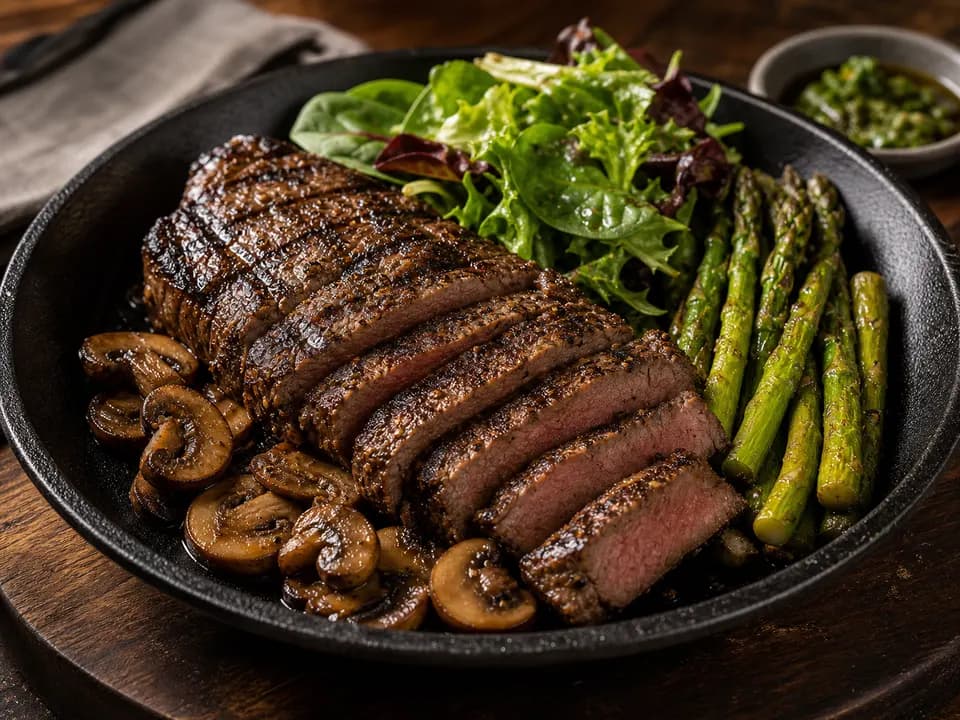
Carnivore diet
What it is. An all-animal-foods diet built around meat, fish, eggs, and sometimes dairy. Excludes all plant foods, including vegetables, fruits, grains, legumes, and nuts.
The evidence. Peer-reviewed research is extremely limited. The most-cited paper, a 2021 social-media survey published in Current Developments in Nutrition, surveyed 2,029 self-reported carnivore-diet adherents and found high self-reported satisfaction along with reported improvements in several markers16. The authors and subsequent commentary in the same journal flagged significant limitations: no control group, no objective verified health measurements, substantial selection bias (only people still on the diet at 6+ months were eligible), and self-reporting through social media. There are no randomized controlled trials of long-term carnivore eating.
Best for. Hard to recommend without better evidence. Some people with severe autoimmune conditions report improvement on highly restrictive elimination diets, but carnivore goes well beyond what mainstream clinical guidance supports.
Watch-outs. Eliminating all plant foods means eliminating fiber and most micronutrients (vitamin C, folate, magnesium, polyphenols, and many others). Long-term effects are essentially unknown, and the diet runs counter to the entire evidence base of cardiovascular and oncological nutrition. Not recommended without medical supervision.
Macro-balanced diets

Zone diet
What it is. Developed by Dr. Barry Sears in the 1990s, the Zone diet prescribes a 40/30/30 split: 40% carbs, 30% protein, and 30% fat, with each meal designed to keep insulin levels in a "zone" optimal for hormonal balance.
The evidence. The 40/30/30 split falls within the Institute of Medicine's Acceptable Macronutrient Distribution Ranges and isn't unhealthy, but the specific Zone framework hasn't held up in controlled comparisons against other moderate diets. The Zone diet is functionally a moderate-carb, higher-protein eating pattern with a brand on top.
Best for. People who want a specific macro framework and don't gravitate toward the more extreme low-carb or low-fat options.
Watch-outs. The original Zone book made hormonal claims that aren't well-supported by mainstream endocrinology research. The eating pattern is fine; the underlying theory is shakier than the marketing suggests.
How the major diets compare at a glance
The table below summarizes the 19 diets covered in this guide, including what each one is, what it's most useful for, and what to watch out for.
| Diet | Approach | Strongest evidence for | Watch-outs |
|---|---|---|---|
| Mediterranean | Plant-forward + fish, olive oil | Cardiovascular disease, longevity, type 2 diabetes | Often misrepresented in U.S. context |
| DASH | Plant-forward, low sodium | Hypertension, heart health | Sodium hard to track in restaurant food |
| MIND | Mediterranean-DASH hybrid | Cognitive health (observational) | RCT evidence weaker than Mediterranean alone |
| Flexitarian | Mostly plants, some meat | Heart health, sustainability | Can drift toward unstructured eating |
| Pescatarian | Vegetarian + fish | Longevity, cardiovascular health | Mercury exposure from large fish |
| Vegetarian | No meat or fish | Cardiovascular disease, cancer | Requires attention to B12, iron, protein |
| Vegan | No animal products | LDL cholesterol, body weight | Requires B12 supplementation |
| Ketogenic | Very low carb (under 50g/day) | Drug-resistant epilepsy, short-term weight loss, T2D | Raises LDL; sustainability low |
| Atkins | Phased low-carb | Short-term weight loss | Branding leans processed |
| Low-carb (general) | Reduced carbs | Type 2 diabetes, individual preference | Quality of replacement foods matters |
| Paleo | Whole foods, no grains/legumes/dairy | Short-term metabolic improvements | Limited long-term evidence |
| Intermittent fasting | Restricted eating windows | Weight loss (comparable to CR) | Not for ED history; affects protein intake |
| WeightWatchers | Points-based eating | Sustained weight loss | Subscription cost |
| Noom | Behavioral psychology + tracking | Behavior change | Expensive; thinner peer-reviewed RCT evidence |
| Mayo Clinic Diet | 12-week behavior change | Structured habit formation | Less cultural visibility |
| Volumetrics | High-volume, low-density foods | Satiety on fewer calories | Less app/community support |
| Whole30 | 30-day elimination | Identifying sensitivities | Not a long-term diet |
| Carnivore | Animal foods only | Limited evidence | No fiber, micronutrient gaps, unknown long-term |
| Zone | 40/30/30 macro split | Moderate balanced eating | Underlying theory weak |
How to choose: a practical guide by goal
For general health and longevity: Mediterranean diet has the strongest evidence base of any named eating pattern. If you want one diet to follow with minimal research overhead, this is the most defensible choice.
For high blood pressure: DASH was literally designed for this. The blood-pressure evidence is stronger than for any other diet.
For type 2 diabetes management: Mediterranean and low-carb diets both have substantial evidence. Mediterranean has the longer-term cardiovascular safety record; low-carb often produces faster blood sugar improvements. Working with a registered dietitian is genuinely worthwhile if managing diabetes.
For weight loss: The diet you can stick to. The DIETFITS trial and most large meta-analyses converge on the finding that adherence matters more than the specific diet. WeightWatchers and Volumetrics have particularly strong sustained-adherence evidence; Mediterranean and flexitarian tend to be the most sustainable long-term. (For more on calculating your specific calorie target, see our calorie & macro calculator.)
For cognitive health: Mediterranean is the safest bet given the deeper evidence base. MIND is reasonable but the controlled-trial evidence is weaker than the observational data initially suggested.
For specific medical conditions (epilepsy, severe insulin resistance): Ketogenic diets have specific clinical applications but should be undertaken with medical supervision rather than as a self-directed weight-loss approach.
For environmental and ethical reasons: Vegan, vegetarian, and flexitarian diets meaningfully reduce dietary carbon and water footprints. Pescatarian sits between vegetarian and omnivorous on environmental impact.
For people who want flexibility around timing rather than food choice: Intermittent fasting works through the same mechanism as calorie restriction but may be easier to sustain depending on your schedule and preferences.
For people resetting habits: Whole30 or a structured elimination period can be useful as a 30-day protocol, not as a long-term diet.
Why most diets fail (and what actually predicts success)
The most consistent finding in the entire dietary research literature is that adherence beats optimality. A 2014 JAMA meta-analysis comparing named diets, including Atkins, Zone, WeightWatchers, Ornish, and others, found that weight loss differences between diets were small, while differences within each diet (between high adherers and low adherers) were large13. The diet you'll actually follow for years matters more than the diet that's marginally more effective on paper.
This points to a few predictive factors that the diet-of-the-month conversation often misses:
The diet that fits your culture. A Mediterranean diet is harder if you didn't grow up eating that way. A vegan diet is harder in food deserts. A keto diet is harder in food cultures built around grains. The diet your grandmother might have recognized is usually easier to sustain than one imported from a different continent.
The diet that fits your schedule. Intermittent fasting fits desk workers better than night-shift workers. Heavy meal prep fits some lives and not others.
The diet that doesn't make every meal a decision. Decision fatigue is real. Diets with clear default rules, such as DASH, WW, and Whole30 during the elimination phase, often work better than fully open-ended approaches because they reduce the cognitive load of every meal choice.
The diet that doesn't require perfection. Researchers who study long-term dietary adherence consistently find that "all-or-nothing" framing predicts dropout. A diet that allows occasional birthday cake and Friday-night pizza tends to outlast a diet that doesn't.
The diet that works for you in five years is the diet that fits these constraints, not the one that wins on a meta-analysis.
Frequently asked questions
Which diet is most effective for weight loss?
The DIETFITS trial and major meta-analyses consistently find that named diets produce roughly equivalent weight loss when calorie intake is matched and adherence is similar. WeightWatchers has the strongest commercial-program evidence; intermittent fasting and low-carb both work well for the right person. The diet you'll actually sustain matters more than the diet that's optimal on paper.
Is the Mediterranean diet really the best?
It has one of the strongest combinations of long-term cardiovascular evidence, longevity evidence, and sustainability data of any named eating pattern, and it consistently ranks near the top of expert diet ratings. Whether it's "best" for you depends on whether you can actually sustain Mediterranean-style eating in your food environment.
Is keto safe long-term?
The honest answer is "we don't fully know." The 2023 BMC Medicine umbrella review found high-quality evidence that ketogenic diets reduce triglycerides and seizure frequency but also raise LDL cholesterol3. Most randomized trials run six months or less, so long-term cardiovascular safety remains an open research question. Ketogenic diets have well-established safety in specific medical applications (drug-resistant epilepsy, monitored T2D management), but indefinite voluntary ketosis as a lifestyle has thinner safety data.
What's the difference between low-carb and keto?
Low-carb is a spectrum, typically 50 to 150g of carbohydrate per day. Ketogenic is the extreme end of that spectrum (under ~50g, often under 20g) where the body shifts into nutritional ketosis. Most low-carb diets don't produce ketosis; ketogenic diets specifically do.
Does intermittent fasting work better than calorie restriction?
According to the 2025 BMJ network meta-analysis of 99 trials and 6,582 participants, no. Intermittent fasting and continuous calorie restriction produce roughly equivalent weight loss and cardiometabolic improvements2. Some people find IF easier to adhere to; others find it harder. The choice is largely about which approach fits your life.
Can I follow more than one diet at the same time?
Yes, and combining approaches is often more practical than picking a branded program. Many people effectively follow a "Mediterranean diet with intermittent fasting" or a "flexitarian DASH." The named diets are reference frameworks, not exclusive memberships.
How long does it take for a new diet to show results?
Weight changes are typically visible within 2 to 4 weeks of consistent calorie restriction. Cardiovascular markers (blood pressure, LDL cholesterol, triglycerides) usually shift within 4 to 12 weeks. Long-term outcomes like sustained weight loss and cardiovascular event reduction require 12+ months of consistent adherence. Short bursts of any diet rarely produce lasting results.
Are calorie tracking apps worth using on a diet?
For some people, yes, particularly during the early calibration phase of any new diet. Apps like Mindful can help you track meals, calories, macros, and patterns while keeping the diet itself separate from the act of logging. Tracking can also become an unhealthy preoccupation for others; people with histories of disordered eating should generally avoid it. (For our breakdown of the major options, see our comparison of the best calorie tracking apps.)
Where Mindful fits
None of the diets above are about what Mindful tracks; they're about what you choose to eat. Mindful sits underneath whichever dietary philosophy you land on. Wherever you draw the lines around food, awareness of what you're actually eating tends to help. The app tracks calories, macros, and key micronutrients regardless of whether you're following Mediterranean, low-carb, intermittent fasting, or no named pattern at all.
If you want a simple way to track calories, macros, and what you ate while you experiment with different eating patterns, that's what Mindful is for.
References
Footnotes
-
Gardner CD, Trepanowski JF, Del Gobbo LC, et al. "Effect of Low-Fat vs Low-Carbohydrate Diet on 12-Month Weight Loss in Overweight Adults and the Association With Genotype Pattern or Insulin Secretion: The DIETFITS Randomized Clinical Trial." JAMA 319(7):667 to 679. February 2018. DOI ↩ ↩2
-
Semnani-Azad Z, Khan TA, Chiavaroli L, et al. "Intermittent fasting strategies and their effects on body weight and other cardiometabolic risk factors: systematic review and network meta-analysis of randomised clinical trials." BMJ 389:e082007. June 2025. DOI ↩ ↩2
-
Patikorn C, Saidoung P, Pham T, Phisalprapa P, Lee YY, Varady KA, Veettil SK, Chaiyakunapruk N. "Effects of ketogenic diet on health outcomes: an umbrella review of meta-analyses of randomized clinical trials." BMC Medicine 21(1):196. May 2023. DOI ↩ ↩2
-
Manheimer EW, van Zuuren EJ, Fedorowicz Z, Pijl H. "Paleolithic nutrition for metabolic syndrome: systematic review and meta-analysis." American Journal of Clinical Nutrition 102(4):922 to 932. October 2015. DOI ↩
-
Mayo Clinic. "Paleo diet: What is it and why is it so popular?" Source ↩
-
Estruch R, Ros E, Salas-Salvadó J, et al. "Primary Prevention of Cardiovascular Disease with a Mediterranean Diet Supplemented with Extra-Virgin Olive Oil or Nuts." New England Journal of Medicine 378:e34. June 2018 (republication of the 2013 PREDIMED trial after randomization re-analysis). DOI ↩
-
U.S. News & World Report. "Best Diets Overall 2026." Source ↩ ↩2 ↩3
-
Appel LJ, Moore TJ, Obarzanek E, et al. "A Clinical Trial of the Effects of Dietary Patterns on Blood Pressure." New England Journal of Medicine 336(16):1117 to 1124. April 1997. DOI ↩
-
Sacks FM, Svetkey LP, Vollmer WM, et al. "Effects on Blood Pressure of Reduced Dietary Sodium and the Dietary Approaches to Stop Hypertension (DASH) Diet." New England Journal of Medicine 344(1):3 to 10. January 2001. DOI ↩
-
Barnes LL, Dhana K, Liu X, et al. "Trial of the MIND Diet for Prevention of Cognitive Decline in Older Persons." New England Journal of Medicine 389(7):602 to 611. August 2023. DOI ↩
-
Orlich MJ, Singh PN, Sabaté J, et al. "Vegetarian dietary patterns and mortality in Adventist Health Study 2." JAMA Internal Medicine 173(13):1230 to 1238. July 2013. DOI ↩ ↩2
-
Le LT, Sabaté J. "Beyond meatless, the health effects of vegan diets: findings from the Adventist cohorts." Nutrients 6(6):2131 to 2147. May 2014. DOI ↩
-
Johnston BC, Kanters S, Bandayrel K, Wu P, Naji F, Siemieniuk RA, Ball GD, Busse JW, Thorlund K, Guyatt G, Jansen JP, Mills EJ. "Comparison of weight loss among named diet programs in overweight and obese adults: a meta-analysis." JAMA 312(9):923 to 933. September 2014. DOI ↩ ↩2
-
Chin SO, Keum C, Woo J, Park J, Choi HJ, Woo JT, Rhee SY. "Successful weight reduction and maintenance by using a smartphone application in those with overweight and obesity." Scientific Reports 6:34563. November 2016. DOI ↩
-
Ello-Martin JA, Roe LS, Ledikwe JH, Beach AM, Rolls BJ. "Dietary energy density in the treatment of obesity: a year-long trial comparing 2 weight-loss diets." American Journal of Clinical Nutrition 85(6):1465 to 1477. June 2007. DOI ↩
-
Lennerz BS, Mey JT, Henn OH, Ludwig DS. "Behavioral Characteristics and Self-Reported Health Status among 2029 Adults Consuming a 'Carnivore Diet.'" Current Developments in Nutrition 5(12):nzab133. November 2021. DOI ↩